
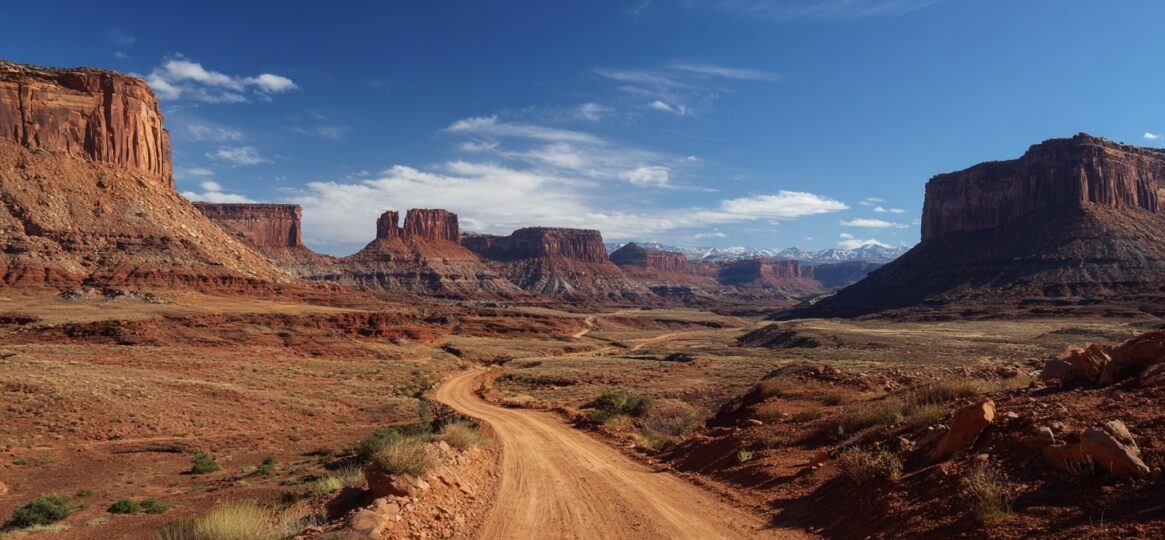

White Rim Road forms a roughly 100-mile loop in Canyonlands National Park within the Island in the Sky district.
Completion in a single day usually takes about 10 to 14 hours and demands an aggressive pace. Most visitors choose a 2 to 3 day schedule to allow for safer travel and time at viewpoints.
Permits are required due to narrow cliffside roads, limited camping capacity, and environmental protection needs. Two primary permit types exist: day-use permits for single-day completion and overnight permits for backcountry camping.
The choice of permit directly affects pacing, safety margin, and overall experience.
Permit System Overview
White Rim Road operates under a tightly controlled permit system designed to manage traffic and protect sensitive desert terrain.
Access is not open in a casual sense, and every traveler must secure proper authorization before entering the route.
Permits apply to several types of travel.
- High-clearance 4×4 vehicles
- Motorcycles
- Bicycles
All reservations are handled through Recreation.gov, which acts as the central platform for both day-use and overnight permits.
Heavy demand has placed White Rim Road among the most regulated backcountry routes in Utah. Narrow ledges, steep drop-offs, and limited passing zones require strict daily limits.
- Reducing congestion along exposed sections
- Protecting fragile desert soil and vegetation
No services exist anywhere along the loop. Preparation must account for complete self-sufficiency.
- Fuel for the full distance
- Food for the entire duration
- Water with no refill options available
Lack of support infrastructure increases the importance of planning and careful execution.
@calliemcmuffin Driving the White Rim Road in Canyonlands National Park ✨🌙❤️🔥 Backcountry camping & driving permits required along with a high clearance 4×4 vehicle ⚡️ #overlanding #4x4offroad #whiterimtrail #canyonlandsnationalpark ♬ original sound – avery77777
Day-Use Permits
Single-day travel on White Rim Road attracts visitors who want to complete the full loop without camping. Day-use permits are built for continuous travel across the entire route within one day.
A day-use permit allows completion of the full loop in one continuous day. Many experienced off-road drivers and rental Jeep users choose this option due to limited planning requirements.
Driving time ranges between 10 and 14 hours, depending on stops, traffic, and road conditions. Longer durations are common when photography stops, and short breaks are included.
Key Rules & Restrictions
Strict rules apply to day-use travel due to the demanding nature of the route. Timing, safety, and road conditions all play a major role in successful completion.
Completion must occur within a single calendar day. Travel during daylight is strongly recommended due to steep drop-offs, narrow ledges, and technical driving sections.
Camping is not allowed under any circumstances with a day-use permit. Road conditions such as sand, rock ledges, steep climbs, and tight switchbacks can significantly affect timing and require careful driving.
The directiontry and exit points include Shafer Trail and Mineral Bottom Road.
Permit Availability & Quotas
Limited access is one of the biggest factors affecting planning. Daily caps ensure safety but also increase competition for permits.
About 50 vehicle permits are issued per day. Demand rises sharply in spring between March and May and again in fall between September and October due to milder temperatures.
Availability becomes limited very quickly during peak seasons. Last-minute planning often leads to difficulty securing a permit.
Reservation Process
Booking a day-use permit requires attention to timing and quick action during release windows.
Permits are released one day in advance at 8 AM Mountain Time. Reservations must be completed online through Recreation.gov.
Walk-up permits may occasionally be available, though reliability is low during busy months.
Reservation requires vehicle details, entry point, and planned direction of travel.
Realistic Time Expectations
Time management plays a critical role in day-use trips. Underestimating travel time can lead to risky situations.
Fast drivers may complete the route in about 10 hours under ideal conditions. Most travelers who include stops for photos and short breaks require 12 to 14 hours or more.
Popular stops include Mesa Arch before entering the loop, Musselman Arch along the route, and White Crack viewpoint. Each stop adds time but enhances the overall experience.
Overnight (Backcountry) Permits
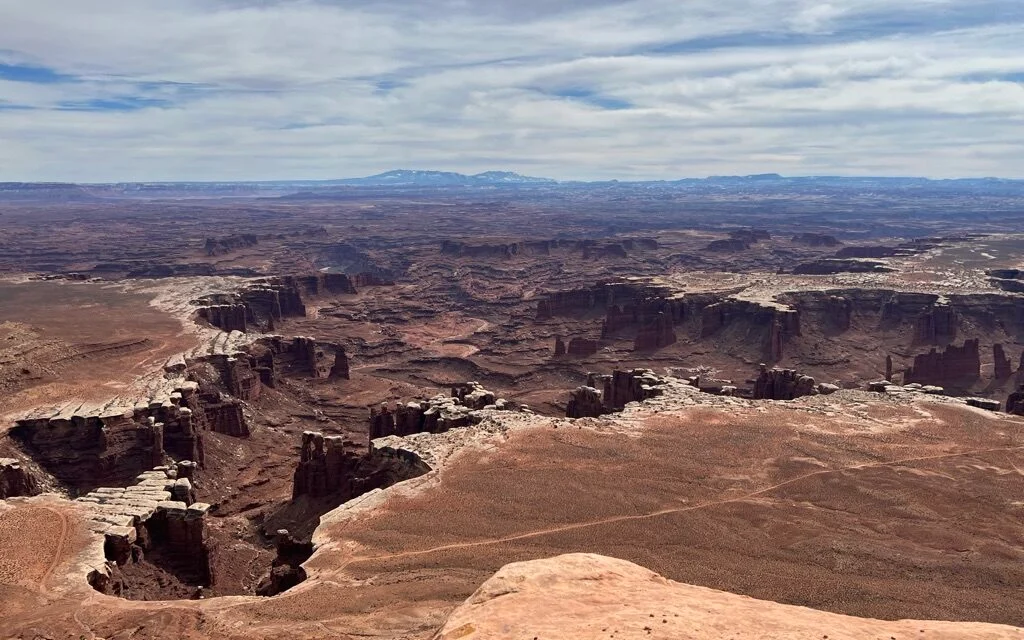
Multi-day travel on White Rim Road provides a slower pace and greater flexibility compared to single-day trips.
Overnight permits are designed for travelers who want time to stop, rest, and fully experience remote sections of the route without strict time pressure.
An overnight permit allows multi-day travel with designated camping. Many visitors consider this option the most complete way to experience White Rim Road due to added time for viewpoints and reduced driving fatigue.
Typical itineraries span 2 to 3 days with one or two overnight stays. Trip structure often depends on campsite availability and personal pacing preferences.
Campsites & Layout
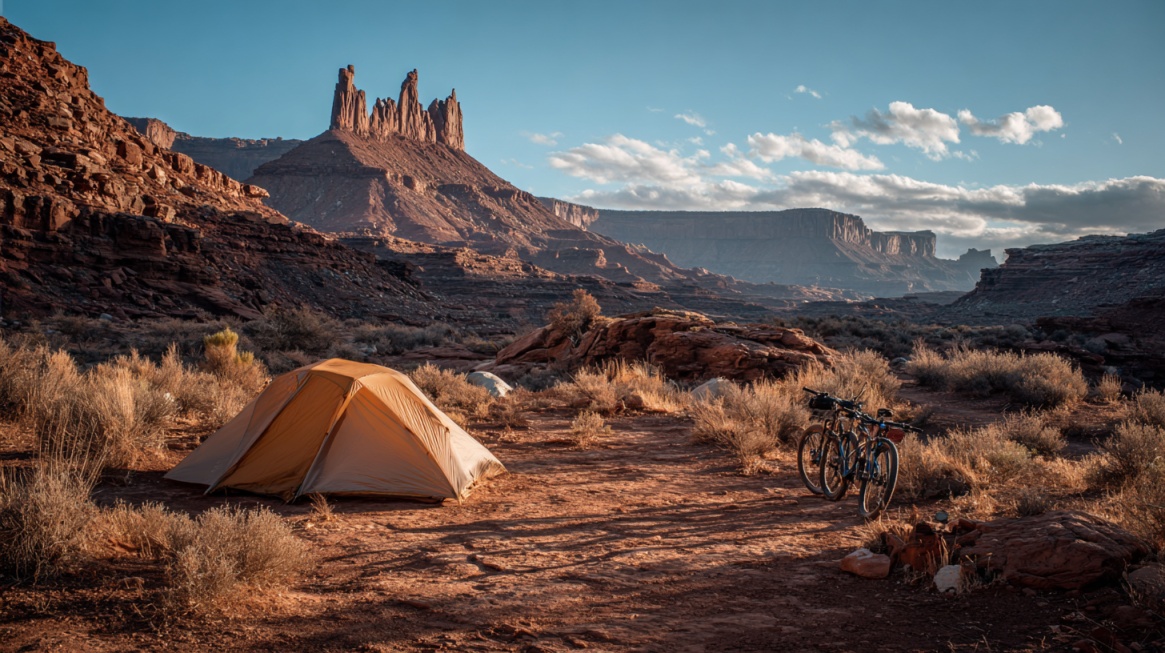
Camping along White Rim Road follows a structured system with fixed, pre-assigned locations. Camping is allowed only at designated sites.
- Airport, known for easier access and central positioning
- Gooseberry, often used for balanced two-day itineraries
- White Crack, widely considered the most scenic and hardest to reserve
- Murphy Hogback, located near one of the more technical driving sections
White Crack is highly competitive due to its dramatic views and isolated position along the route. Securing this site often requires booking immediately when reservations open.
Campsites are spaced along the loop to support staged travel, allowing drivers to divide the 100-mile route into shorter daily segments.
Reservation Windows
Advance planning plays a major role in securing overnight permits. Release dates follow a fixed seasonal schedule that must be tracked carefully.
- Spring season from March through June opens on November 10
- Summer season from June through September opens on February 10
- Fall season from September through December opens on May 10
- Winter season from December through March opens on August 10
High-demand campsites can be reserved within minutes of release.
Fees & Costs
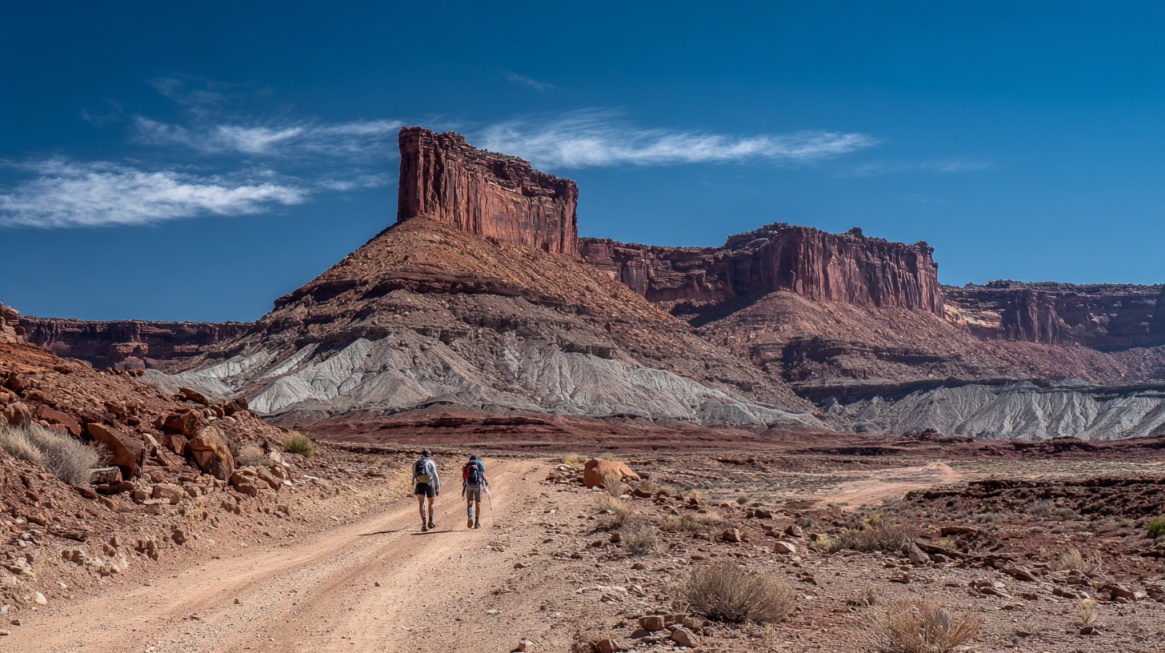
Overnight trips involve additional costs compared to day-use permits due to campsite reservations and extended use of park resources.
Base reservation fees are about $36 per permit. Additional nightly per-person fees apply and vary depending on group size and number of nights.
- One-time permit reservation fee
- Per-person nightly camping fees
- Potential extra costs for vehicle rental, fuel, and supplies
- Limited availability and strong demand contribute to overall trip
Choosing the Right Permit
Selecting a permit type depends on available time, driving ability, and planning horizon.
- Confidence exists in handling rough 4×4 terrain for more than 10 hours
- Time in Canyonlands is limited
- Comfort exists with strict timing and minimal delays
Choose overnight if:
- Interest includes sunrise and sunset viewing in remote areas
- Stops at viewpoints such as White Crack are a priority
- Preference leans toward slower pacing and increased safety
- Planning months ahead is possible
View this post on Instagram
Summary
White Rim Road ranks as a top off-road route in Canyonlands National Park. Day-use permits suit experienced drivers seeking a fast completion.
Overnight permits provide a more complete backcountry experience with added safety and time for stops.
Best choice depends on available time, driving skill, and ability to plan ahead.