
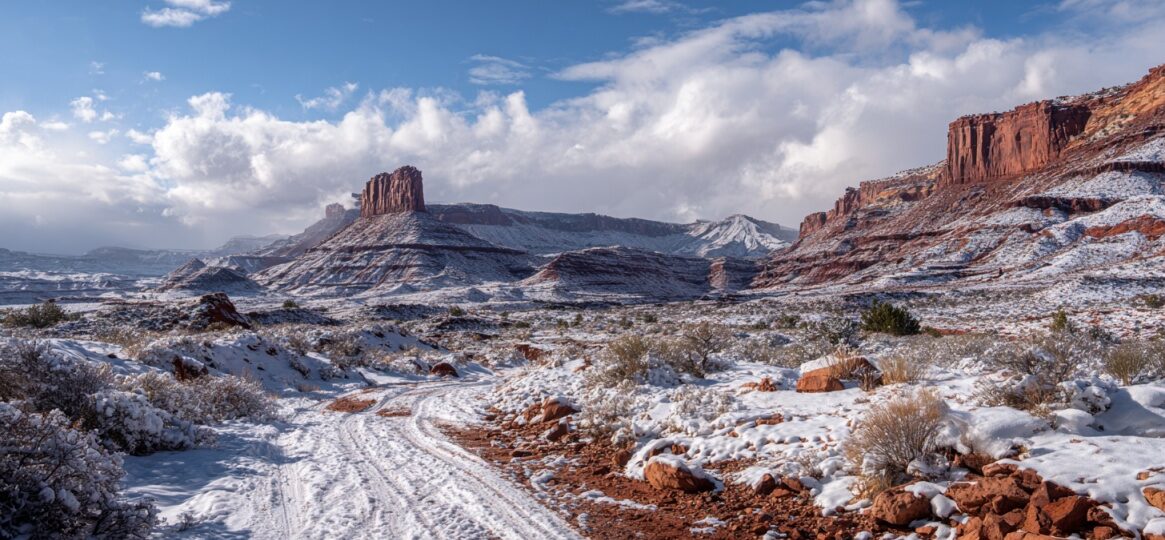

Moab, Utah sits near two of the most famous national parks in the United States: Arches National Park and Canyonlands National Park.
Location in a high desert creates dramatic seasonal swings, with scorching summers and cold winters, while spring and fall attract the largest number of visitors.
Winter often gets ignored, yet many travelers describe it as a hidden gem and a best-kept secret.
Choosing to visit during colder months offers a quieter atmosphere, lower prices, and striking visual contrasts that differ greatly from peak seasons.
Weather and Climate in Winter
Winter in Moab brings a mix of cool air, steady sunshine, and occasional snow. Conditions remain relatively mild during the day compared to many other destinations in the United States, yet nights can feel sharply cold.
Temperature swings between day and night play a major role in planning daily activities.
- Daytime highs generally fall between 40°F and 50°F, or about 5°C to 10°C
- Overnight temperatures frequently drop well below freezing
- Annual snowfall averages around 9 to 12 inches
- Sunshine remains abundant, with roughly 244 sunny days per year
Cold mornings often give way to more comfortable afternoons once the sun rises higher. Layers become essential since temperatures can shift quickly within a single day. Clear skies dominate much of the season, which helps maintain visibility across long distances.
Snowfall rarely lingers for extended periods. Light accumulation often melts within hours on sun-exposed rock and lower elevations. Shaded areas and higher ground may hold snow or ice longer, which can affect trail conditions.
Summer heat in Moab can climb above 100°F, creating intense conditions for outdoor activity. Winter offers a far more manageable climate during daylight hours, allowing longer hikes and scenic drives without extreme heat.
Benefits of Visiting Moab in Winter
Winter in Moab changes the overall travel experience in ways that many visitors do not expect. Lower visitation, better pricing, and seasonal conditions create a slower pace that allows more time to enjoy each activity.
Days feel less rushed, and access to popular areas becomes far easier compared to peak seasons.
Fewer Crowds
Calm surroundings shape the entire experience during winter. Visitor numbers drop sharply after the fall, which transforms how parks and trails feel.
Space opens up across nearly every major location, allowing visitors to move at their own pace.
- Minimal congestion at popular trailheads, even during mid-morning hours
- Easier parking at major viewpoints that often fill quickly in other seasons
- Little to no wait times at park entrances or visitor centers
- Greater flexibility without timed entry systems or strict reservations
Silence becomes more noticeable along trails, especially during early hours. Foot traffic decreases enough that long stretches may pass without seeing other hikers. Scenic overlooks feel more personal, with fewer distractions and more time to observe surroundings.
Photographers benefit greatly during this period. Fewer people mean clearer compositions without crowds in the frame. Sunrises and sunsets also feel more peaceful due to reduced activity at key viewpoints.
@patrickgarrett145 Winter in Moab truly is a treat, and it’s proximity to Denver makes it an easy long weekend road trip! #moab #Utah #archesnationalpark #canyonlandsnationalpark #denverthingstodo #coloradoroadtrip #utahroadtrip #utah #Moab #utahcheck #coloradocheck ♬ Run Away to Mars – TALK
Lower Costs and Better Availability
Travel expenses shift significantly during the winter months. Declining demand creates opportunities to reduce costs across accommodations and activities.
Budget-conscious travelers often find winter to be one of the most cost-effective times to visit.
- Reduced hotel rates compared to spring and fall peak periods
- Seasonal promotions offered by hotels, lodges, and tour operators
- Easier booking for guided experiences such as jeep tours or flights
- Greater success with last-minute reservations due to lower demand
Lodging options that may sell out months in advance during peak seasons often remain available in winter. Choice improves across price ranges, giving travelers more control over where they stay.
Dining also becomes more accessible. Restaurants tend to be less crowded, which allows for shorter wait times and a more relaxed dining experience. Service often feels more attentive due to lower customer volume.
Scenic Contrast with Snow
Winter introduces visual conditions that rarely appear during other times of the year.
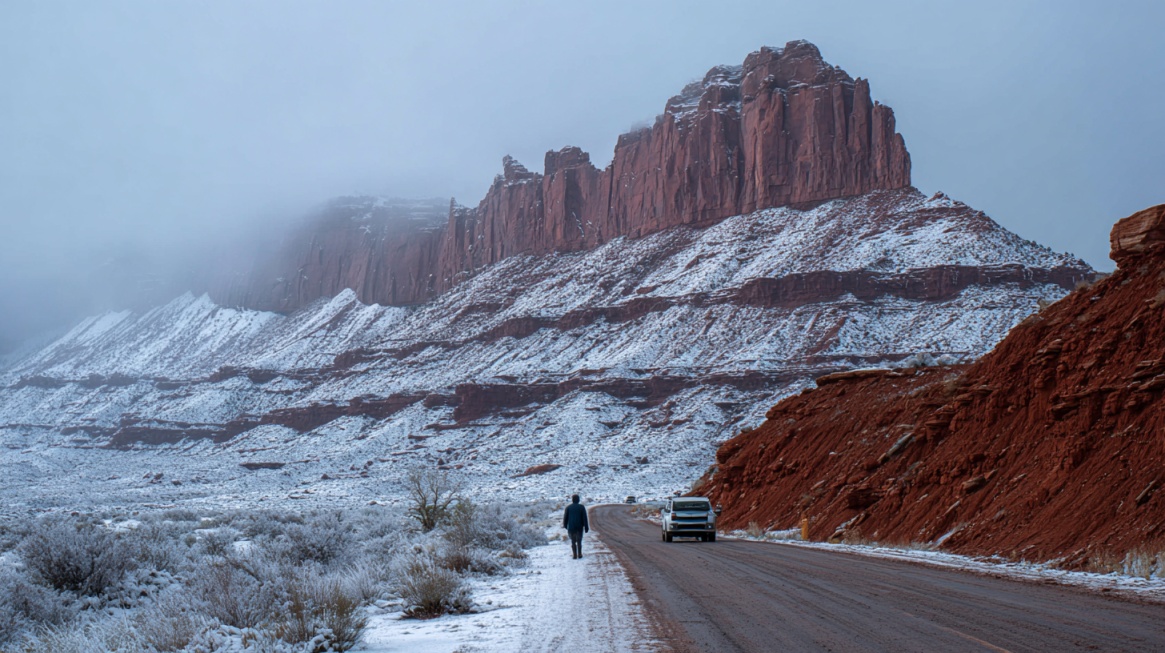
Light snowfall resting on red rock surfaces creates a strong contrast, altering how familiar locations appear. Even a thin layer of snow can transform well-known views.
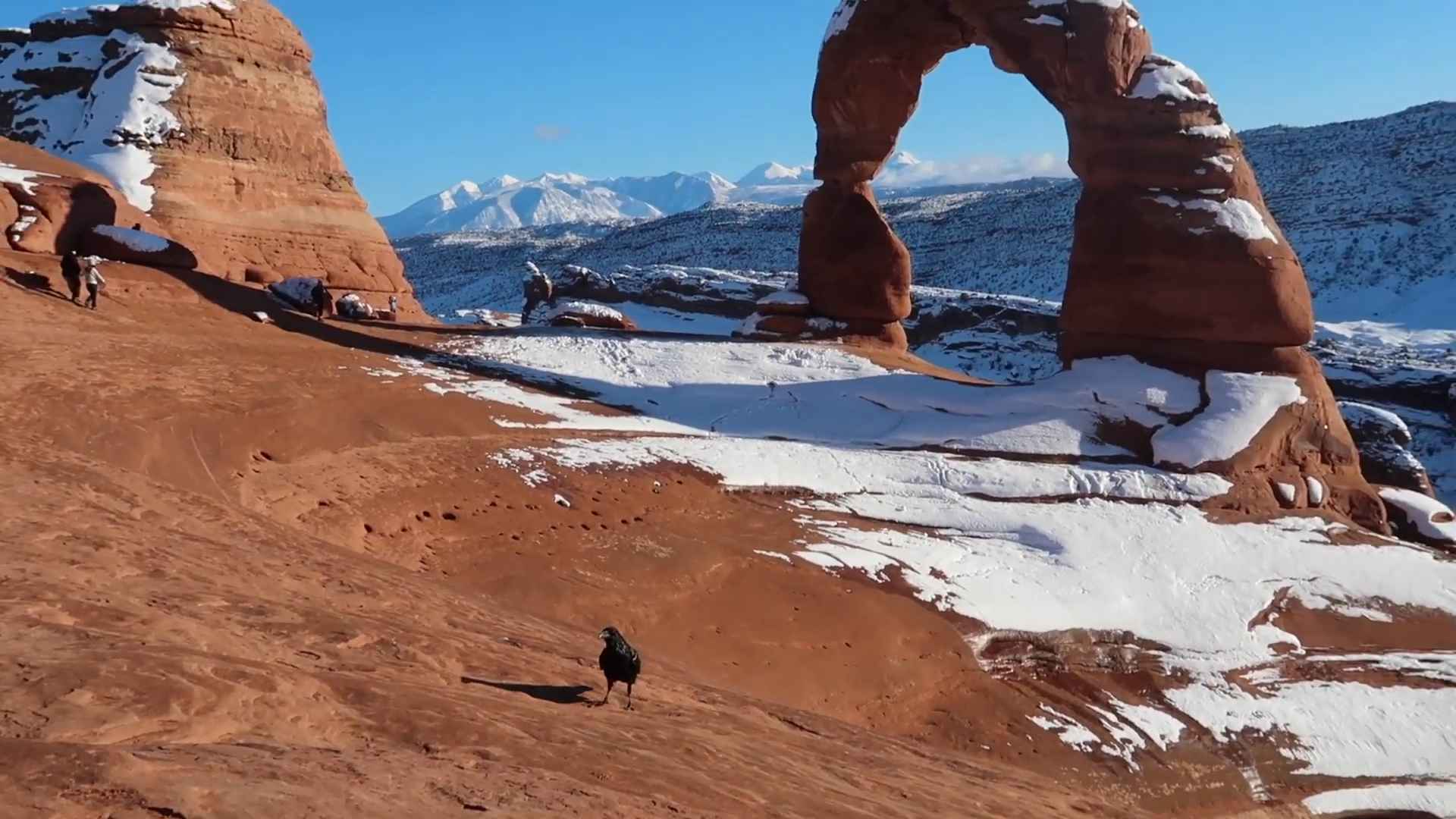
- Snow outlines arches, cliffs, and rock formations, making shapes more defined
- Clear winter air increases visibility across long distances
- Sunlight appears sharper and more balanced, especially during morning and late afternoon
- Quiet surroundings reduce distractions, allowing greater focus on natural features
Short-lived snowfall adds an element of timing. Conditions can shift quickly, which creates opportunities to see locations in different states within a single day. Morning snow may partially melt by afternoon, revealing changing textures and colors.
Photographers often find winter especially rewarding. Soft light, reduced haze, and contrasting colors create strong visual depth. Early morning frost or light snow can add detail that disappears later in the day.
Winter Activities in Moab
Outdoor activity remains a central part of any visit, even during colder months. Many experiences continue with minimal disruption, while cooler temperatures often improve comfort during physical effort.
Hiking and Outdoor Exploration
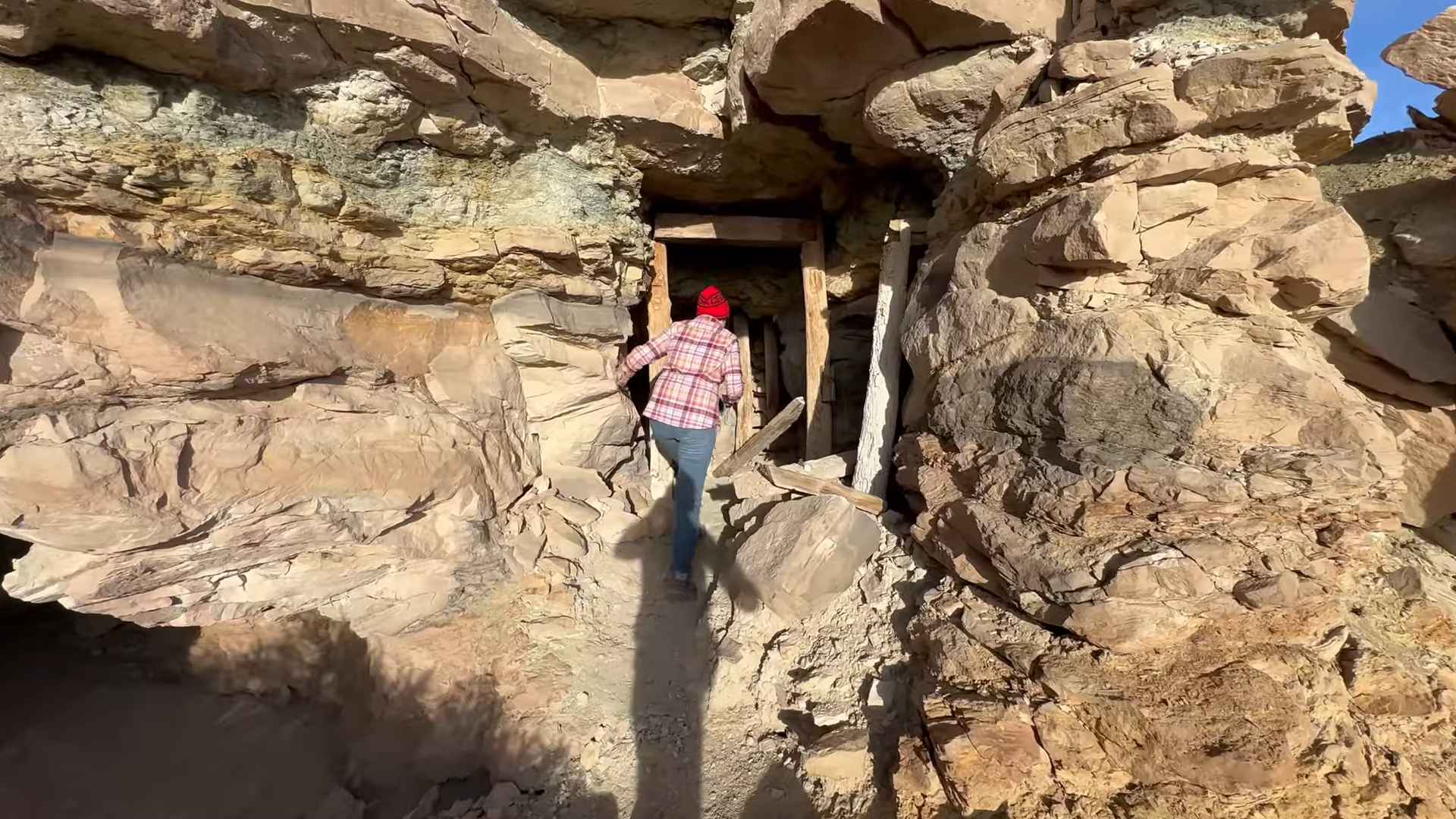
Hiking conditions improve in several ways during winter. Lower temperatures reduce heat stress, allowing a longer time outdoors without exhaustion. Trails that feel intense in summer become more manageable during cooler months.
Well-known routes such as Delicate Arch and Landscape Arch stay accessible. Surface conditions may vary depending on recent weather. Ice can form in shaded sections, especially along rock surfaces or packed dirt paths.
- Carrying traction devices for icy sections
- Dressing in layers to adjust to changing temperatures
- Starting hikes later in the morning to avoid the coldest conditions
- Monitoring shaded areas where ice may remain longer
Midday often provides the most comfortable hiking window, as sunlight warms exposed areas.
National Park Visits
View this post on Instagram
Access to both major parks remains consistent throughout winter. Reduced visitation improves the overall experience across scenic drives and trail systems.
Arches National Park sits about 5 miles away, or roughly a 9-minute drive. Roads remain open in most conditions, and iconic hikes continue to attract visitors without heavy crowds.
Canyonlands National Park lies about 25 to 30 minutes away. Elevated viewpoints can appear even more dramatic when light snow settles along canyon edges. Wide views stretch farther under clear winter skies.
Driving between viewpoints becomes easier due to lighter traffic. Parking areas that often fill during peak months typically remain accessible.
Adventure Activities
Active visitors still have several options during winter, though conditions may affect availability on certain days. Flexibility plays an important role when planning these activities.
- Hiking across dry trails during stable weather
- Mountain biking on routes that remain free of mud or ice
- Jeeping and off-roading when trail conditions allow access
- Scenic flights offering aerial views of arches, canyons, and the surrounding terrain
Weather patterns can influence trail conditions quickly. Rain or snow may temporarily limit off-road access to protect surfaces.
Nearby La Sal Mountains introduce a different environment. Higher elevations receive more snow, creating opportunities for snowshoeing and skiing.
Seasonal Experiences
Winter also introduces experiences tied to both natural conditions and local culture. Fewer visitors create a quieter setting for events and nighttime activities.
- Holiday markets and small community gatherings during the winter months
- Stargazing enhanced by clear skies and minimal light pollution
- Day trips to nearby destinations such as Monument Valley
Night skies often appear sharper during winter due to reduced atmospheric moisture. Stars, planets, and the Milky Way become more visible under these conditions.
Evenings feel calmer overall, with less activity across town and surrounding areas. This slower pace adds to the overall experience during a winter visit.
Challenges of Visiting in Winter
Winter travel requires preparation due to environmental and logistical factors. Cold temperatures and reduced daylight can influence daily plans, while some services may not operate at full capacity.
Weather Limitations
Cold air dominates early mornings and evenings, making proper clothing essential. Ice and snow can affect both trails and roads, especially after storms.
- Icy patches are forming in shaded trail sections
- Snow accumulation at higher elevations or after storms
- Temporary closures affecting roads or park areas
- Reduced traction for vehicles in certain conditions
Weather can change quickly, so checking forecasts and park updates becomes important before heading out.
Limited Services
Seasonal slowdown affects some local businesses. Certain campgrounds, restaurants, and shops reduce hours or close temporarily during the winter months.
Essential services remain available across town. Hotels, gas stations, and grocery stores continue operating, ensuring basic needs are met.
Planning ahead helps avoid inconvenience, especially during early mornings or late evenings when fewer options may be open.
Activity Restrictions
Cold conditions limit certain recreational options. Water-based activities become far less practical due to low temperatures. River use decreases significantly during winter.
Off-roading may also face restrictions. Wet or muddy conditions can lead to temporary closures to protect trails and prevent damage. Checking local guidelines before heading out helps avoid disruptions.
Shorter Daylight Hours
Shorter days require more structured planning. Less daylight reduces time available for outdoor activity, especially for longer hikes or multi-stop itineraries.
- Reduced time for hiking, sightseeing, and photography
- Need to begin activities earlier in the day
- Increased importance of tracking time during longer routes
Sunset arrives earlier, which can limit late-afternoon exploration. Planning routes and timing carefully ensures a safe return before dark.
Who Should Visit Moab in Winter
View this post on Instagram
Winter conditions attract a specific type of traveler. Quiet surroundings and lower costs make the season especially appealing for those who prioritize space and flexibility.
- Travelers seeking solitude and minimal crowd presence
- Budget-conscious visitors aiming to reduce travel expenses
- Photographers interested in snow-covered red rock scenes
- Outdoor enthusiasts comfortable with cold temperatures
- Families looking for a calmer national park experience
Comfort with colder weather plays an important role in overall satisfaction. Proper clothing and planning allow visitors to enjoy activities without discomfort.
Slower pace, easier access, and seasonal conditions combine to create a rewarding experience for those prepared for winter travel.
Closing Thoughts
Advantages include fewer crowds, lower costs, striking scenery, and comfortable daytime temperatures. Disadvantages include cold conditions and some service limitations.
Winter in Moab offers a rewarding experience for those who value quiet settings, affordability, and seasonal contrast.