
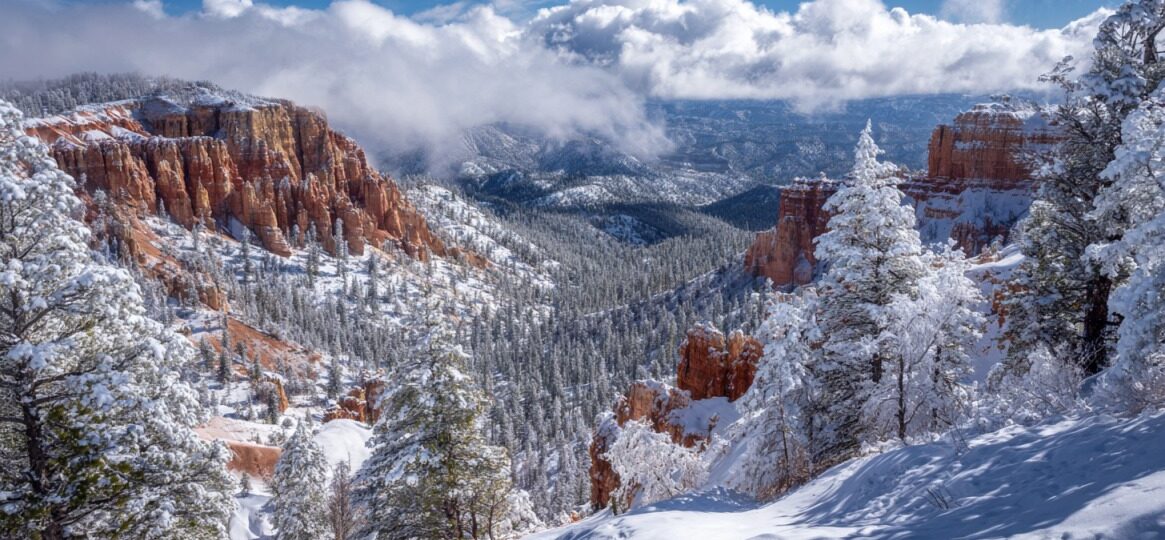

February at Bryce Canyon offers a quiet winter escape marked by stillness and open space rarely found during busier months. Summer draws the vast majority of annual visitors, while winter months often leave viewpoints empty and trails silent.
Winter often carries assumptions of discomfort or limited activity, yet snow reshapes the park into something visually striking and surprisingly engaging. Cold conditions create an atmosphere that feels calm rather than harsh when visitors arrive prepared.
Snow-covered hoodoos, muffled sound, and open viewpoints define February visits. Peace and isolation replace noise and congestion, creating an experience impossible during warmer seasons.
Let us present you with what you can expect during your visit to Bryce Canyon in February.
February Weather is Colder, Snowier, and Higher Than You Expect
Bryce Canyon sits at an elevation ranging roughly between 8,000 and 9,100 feet, which directly shapes winter conditions. High altitude causes colder temperatures, thinner air, and snow that lingers far longer than many visitors anticipate.
- stronger sun exposure paired with cold air
- faster fatigue during physical activity
- colder nights even after mild daytime temperatures
Average February temperatures reach daytime highs near 36 to 42 degrees Fahrenheit, while nighttime lows often fall between 15 and 17 degrees Fahrenheit. Sub-zero readings can occur during stronger cold snaps, especially overnight and before sunrise.
Snowfall remains frequent throughout February, and snow cover often persists across the entire month. Rim areas and canyon interiors experience rapid weather shifts that can alter visibility and trail conditions in a short time span.
- Passing winter storms
- Shifting cloud cover
- Sudden wind increases along exposed viewpoints
Bryce Canyon experiences harsher winter conditions than nearby parks such as Zion due to significant elevation differences, often catching first-time winter visitors off guard.
Snow Transforms the Hoodoos and the Experience
View this post on Instagram
Snow creates a striking contrast against red and pink hoodoos, which appear here in greater concentration than anywhere else on Earth. White drifts settle into ledges and spires, outlining shapes that often go unnoticed during warmer months.
Visual impact increases during clear winter days when sunlight reflects sharply off snow. Blue skies paired with bright snow surfaces cause rock colors to appear deeper and more defined than during summer glare.
- outlining fractures and layers in the stone
- revealing erosion patterns along ledges
- adding depth to distant formations
Geological textures become easier to notice as snow fills cracks and shelves. Snow enhances visual depth rather than hiding features, creating scenes favored by photographers and cold-season visitors.
Trail Access Is Limited but Not Ruined
Many trails remain open when conditions allow, though closures frequently follow storms or periods of heavy ice. Safety concerns linked to slick surfaces and snow buildup influence daily access decisions.
- Navajo Loop Trail Wall Street section due to rockfall risk
- Portions of the Rim Trail are affected by snow cornices
- Steep switchbacks are exposed to ice accumulation
Snowshoes and cross-country skis allow access to areas unreachable by vehicle during the winter months. Traction devices such as microspikes or Yak-Tracks improve safety on packed snow and icy paths.
Winter conditions reduce access but do not eliminate trail options for visitors who arrive prepared and follow daily condition updates.
Crowds Practically Disappear
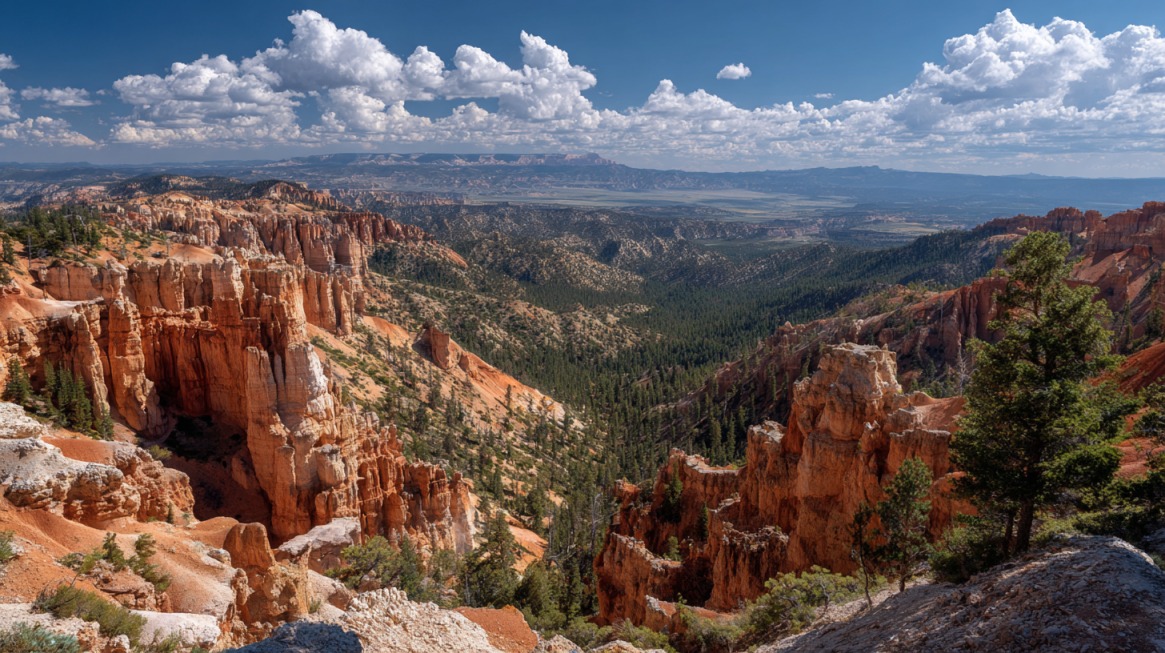
Bryce Canyon receives around two million visitors annually, yet February draws only a small fraction of that total. One winter visit recorded roughly ten visitors during an entire day.
- empty parking areas near viewpoints
- quiet overlooks without background noise
- uninterrupted time for photography or observation
Popular viewpoints feel private for extended periods, allowing visitors to linger without pressure. Even well-known stops rarely see more than a handful of people at once.
Special events like the Bryce Canyon Winter Festival near Presidents’ Day attract modest attendance compared to summer levels, preserving the calm atmosphere that defines February.
Winter Activities Most Visitors Don’t Expect
@another_adventure_gram Bryce canyon in the snow might be one of my favorite things i have experienced this year. #utah #brycecanyonnationalpark #winterwonderland #southwest ♬ I Wanted to Leave – SYML
Snowshoeing and cross-country skiing provide accessible ways to move across snow-covered terrain. Park programs and ranger-led outings sometimes include free equipment, lowering the barrier for first-time participants.
- Animal tracks and behavior
- Winter geology observations
- Cold-weather survival strategies
Plowed sections of the 18-mile scenic road allow access to overlooks shortly after storms. Crisp winter air improves visibility and enhances night skies due to Bryce Canyon’s designation as an International Dark Sky Park.
February supports a wider range of cold-season activities than many visitors assume.
Getting There Is the Hardest Part
Winter storms affect approach roads more severely than routes inside the park boundaries. Snowfall and ice buildup along highways leading toward Bryce Canyon often slow traffic and require extra caution, especially when traveling via major hubs such as Las Vegas or Salt Lake City.
Mountain passes, higher elevations, and shaded stretches of road hold ice longer than expected, extending drive times even on clear days.
Road conditions can change quickly during winter. A route that appears dry at lower elevations may become slick and snow-covered closer to the park.
Weather systems moving across southern Utah frequently bring strong winds that blow snow back onto already cleared pavement, reducing visibility and creating drifting conditions that challenge even experienced drivers.
Park staff usually clear main roads and parking areas shortly after storms, allowing access to viewpoints and facilities once conditions stabilize. Interior routes tend to improve faster than surrounding highways.
Smaller or remote roads outside the park may reopen later, depending on storm intensity, snowfall totals, and equipment availability in rural areas.
Traction gear remains essential during winter travel, regardless of vehicle type. Snow tires or chains can make a significant difference during sudden weather shifts.
Careful planning, conservative driving decisions, and flexible schedules help visitors adapt to delays and changing conditions during arrival and departure.
Closing Thoughts
February replaces warm temperatures with solitude and snow-filled scenery, absent during peak seasons. Quiet conditions reshape visitor expectations.
Many winter travelers leave more impressed than anticipated due to the silence, snow-covered views, and seasonal activities.
Bryce Canyon during February delivers a demanding yet rewarding national park experience for visitors ready to prepare and adapt.