
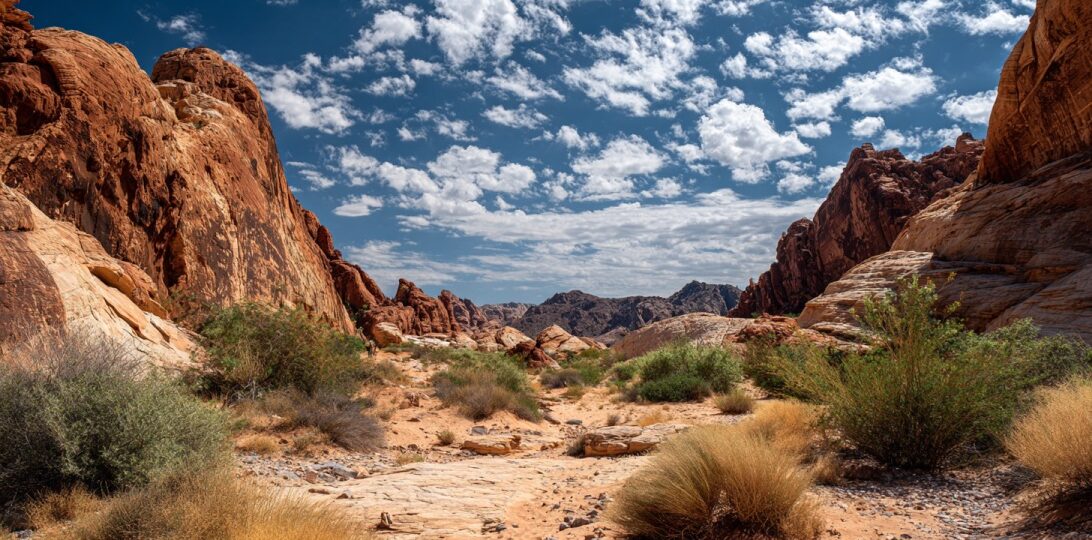

Trade the neon lights of Las Vegas for a landscape that looks like another planet. Just an hour northeast of the Strip, fiery red sandstone formations rise from the desert floor, glowing intensely under the Nevada sun. Many visitors say it feels like stepping onto Mars, thanks to the park’s dramatic geology and surreal colors.
Valley of Fire State Park is Nevada’s oldest and largest state park, designated in 1935. It spans more than 40,000 acres of vibrant red Aztec sandstone outcrops, layered with streaks of gray and tan limestone.
The rock formations were shaped over millions of years, creating wave-like patterns, towering domes, and sculpted arches that appear almost unreal against the bright desert sky.
One of the biggest advantages of the Valley of Fire is its accessibility. Located about 50–58 miles northeast of Las Vegas, just off Interstate 15, the park is an easy one-hour drive.
So the next time you’re considering traveling in the USA, in case you haven’t been there yet, we will present you with what you can expect from the Valley of Fire.
Planning Your Trip
Getting to the Valley of Fire from Las Vegas is simple and straightforward, making it one of the easiest natural escapes from the city. From the Strip or downtown Las Vegas, head north on Interstate 15 for approximately 33–40 miles.
Then take Exit 75 east onto Valley of Fire Highway, a scenic desert road that leads directly to the West Entrance of the park. Along the way, you’ll notice the landscape gradually shifting from urban sprawl to wide-open desert terrain.
- Distance from Las Vegas: about 50–58 miles
- Driving time: approximately 1 hour, depending on traffic
- Road conditions: fully paved and clearly marked
- Vehicle requirements: suitable for all standard cars; no off-road vehicle needed
@lasvegaschicas Have you been to Valley Of Fire state park? 🩷 #valleyoffire #hiking #outdoors #nature #goats #firewave #elephantrock #whitedomes #petroglyphs #atlatlrock #campground #dogfriendly #dogs #arch #lasvegas #paradise #henderson #vegascreator #summerlin #lasvegasvlogger #nevada #vegasactivity #vegaslocal #travel #vacation #latina #hispaniccreator #foodie #foodcreator #foodvlogger ♬ Hip Hop Background(814204) – Pavel
For travelers who prefer a more structured experience, guided tours from Las Vegas are widely available. These tours typically include transportation and visits to the park’s most famous locations.
- Fire Wave
- Elephant Rock
- Scenic overlooks along Valley of Fire Highway
- Sometimes hotel pickup and drop-off
Tours are usually offered as half-day or full-day excursions, making them a convenient option for visitors who don’t want to navigate on their own.
Timing your visit is especially important due to the Mojave Desert climate. The most comfortable months are October through April, when daytime temperatures are significantly milder and hiking conditions are far more pleasant. During this period, you can explore multiple trails without the intense risk of heat exhaustion.
Summer conditions, however, can be extreme. Temperatures frequently climb above 100–110°F (38–43°C), and the desert landscape offers very little natural shade.

- Start hikes early in the morning
- Avoid midday exposure whenever possible
- Take frequent breaks in shaded or sheltered areas
- Carry more water than you think you’ll need
The park operates year-round from sunrise to sunset, giving visitors flexibility in planning their day. Entrance fees are collected at staffed stations near the entrances.
- $10 per vehicle for Nevada residents
- $15 per vehicle for non-residents
- Slightly different rates for motorcycles or bicycles
Scenic Highlights & Stops
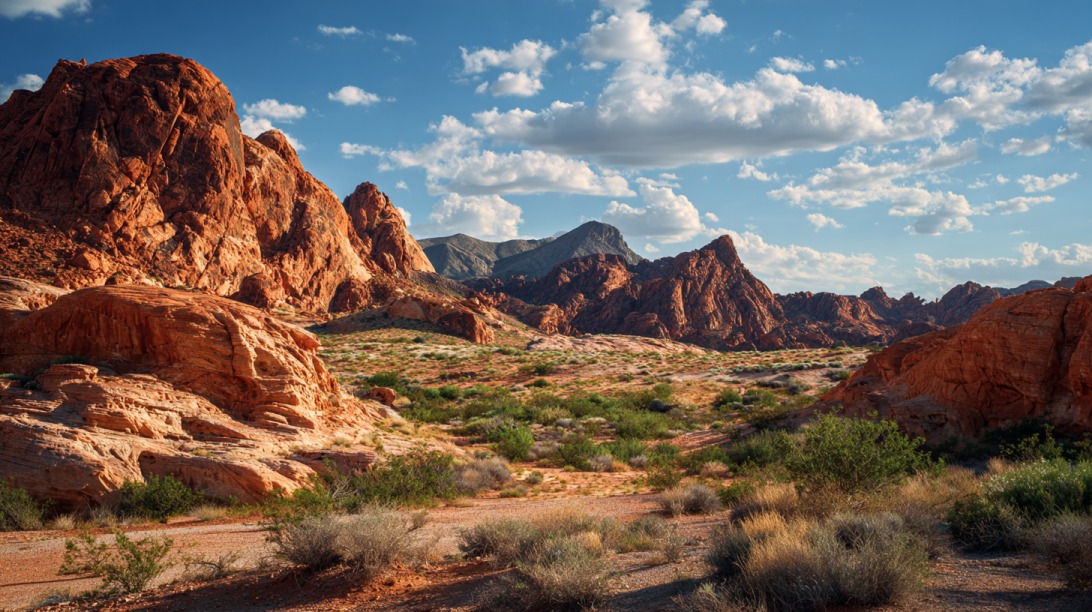
Valley of Fire is organized around two main scenic routes: Valley of Fire Highway and Mouse’s Tank Road. These paved roads connect most of the park’s iconic viewpoints and trailheads, making it easy to design your own route.
Even visitors who prefer minimal hiking can experience the park’s beauty simply by driving and stopping at designated pullouts.
- Marked parking areas
- Short walking paths to viewpoints
- Interpretive signs explaining geological features
- Clearly labeled trailheads
One of the first major stops after entering through the West Entrance is the Beehives. These bright orange sandstone formations feature layered, swirling textures that resemble giant beehives.
Because they are located close to the entrance and require only a short walk, they make an ideal introduction to the park’s dramatic geology. The formations glow intensely in the morning light, making them a favorite early stop for photographers.
The Visitor Center serves both educational and practical purposes. Inside, you’ll find exhibits covering the park’s geology, desert ecology, and cultural history. This is also the best place to get oriented before heading deeper into the park.
- View interpretive displays
- Pick up trail maps
- Use restrooms
- Refill water bottles
Continuing along the main road, the Fire Wave Trail stands out as one of the park’s most iconic hikes. This approximately 1.25-mile round-trip trail leads to a striking formation of red and white striped sandstone that resembles a frozen ocean wave.
The patterns in the rock appear almost painted, with flowing curves that make the area one of the most photographed spots in Valley of Fire. The hike is relatively short but exposed, so sun protection is important.
Hiking & Photo Opportunities

Valley of Fire is ideal for visitors seeking short yet visually rewarding hikes. The park’s most popular trails are manageable in length but deliver unforgettable scenery.
- Fire Wave (1.25 miles round trip)
- White Domes Loop (1.1 miles)
- Mouse’s Tank Trail, known for petroglyph viewing
These trails are particularly well-suited for day-trippers who want to experience multiple highlights without committing to long backcountry hikes.
Photography opportunities are abundant throughout the park. The vivid red Aztec sandstone contrasts beautifully with blue desert skies, especially during golden hour. Some of the most photogenic locations include Fire Wave, the Beehives, Rainbow Vista, and Elephant Rock.
Rainbow Vista, in particular, offers sweeping panoramic views of multicolored rock formations that stretch across the desert landscape.
- Early morning, when light is soft and shadows are long
- Late afternoon, when warm tones intensify the red sandstone
- Sunset, when the formations appear to glow against the sky
Beyond rock formations, the park’s desert ecosystem adds another layer of interest. Patient visitors may encounter bighorn sheep moving across rocky slopes, particularly during cooler and quieter parts of the day.
Lizards are commonly seen darting across trails, and other desert wildlife occasionally appears among the rocks.
Recommended One-Day Itinerary
To make the most of your visit, begin your day early by leaving Las Vegas in the morning. Cooler temperatures and softer lighting will enhance both comfort and photography. After entering through the West Entrance, stop at the Beehives for your first photos and short exploration.
Next, visit the Visitor Center to gather maps and learn more about the park’s geological and cultural background. This brief stop helps you plan your route efficiently.
From there, head to the Fire Wave Trail and complete the 1.25-mile round-trip hike before midday heat intensifies. Finishing this iconic hike early ensures a more comfortable experience and better lighting conditions.
Around midday, pause for lunch at one of the designated picnic areas. After your break, continue with the 1.1-mile White Domes Loop to experience its slot canyon section and dramatic formations.
In the afternoon, drive toward the East Entrance to visit Elephant Rock. Before exiting the park, stop at Atlatl Rock and climb the staircase to view the ancient petroglyphs up close.
If time allows, consider adding a few extra stops to enhance your experience.
- Mouse’s Tank Trail for additional petroglyph viewing
- Rainbow Vista for expansive desert panoramas
- Scenic overlooks along Valley of Fire Highway for final photo opportunities
As you drive back toward Las Vegas, the contrast between the quiet desert landscape and the bright energy of the city becomes even more striking, making the day feel like a true escape.
Summary
Valley of Fire stands out as one of the most remarkable natural escapes near Las Vegas. It combines dramatic geology, ancient cultural history, and exceptional accessibility—all within an hour of the city. Few destinations offer such a powerful contrast to the bright lights of the Strip in such a short drive.
Whether you’re a hiker seeking scenic trails, a photographer chasing vibrant desert colors, or simply someone looking to trade city energy for natural wonder, Valley of Fire offers an unforgettable desert adventure just a short journey from Las Vegas.