
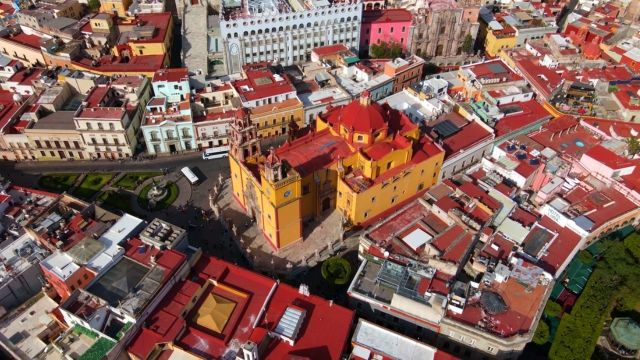

Colorful hills rolling like waves, music echoing through cobbled alleys, Baroque churches glowing at sunset – Guanajuato is not the kind of city you just look at. You feel it.
It doesn’t matter if it’s a tuna band singing in the night or the cool air inside a silver mine; the city leaves impressions that linger.
If 2025 is the year you make your way here, let’s walk through the must-do experiences, the practical details, and the little tips that make a visit smoother.
Quick Facts for Travelers
| Topic | Details |
| Why it’s special | UNESCO World Heritage city shaped by silver mining and famed subterranean streets |
| Best time to visit | November to April for dry weather; October for Festival Internacional Cervantino |
| Big 2025 event | Cervantino runs October 10-26 |
| Gateway airport | Bajío International Airport (BJX) near León |
| Signature foods | Enchiladas mineras, guacamayas, nieves from Dolores Hidalgo |
| Good to know | Traffic partly runs underground; the historic core is very walkable |
1. Wander the UNESCO Historic Center
View this post on Instagram
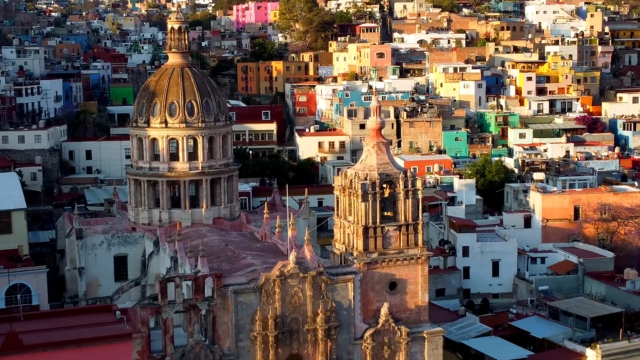
Guanajuato’s historic heart is a maze of plazas, staircases, and painted facades. It grew rich on silver, and the architecture reflects both Baroque splendor and neoclassical order.
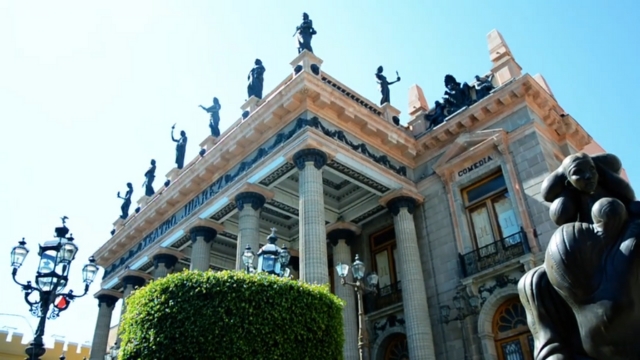
Start at Jardín de la Unión, where trimmed laurel trees shade iron benches and mariachis stroll past cafes. Just steps away are the Basilica of Our Lady of Guanajuato and the glorious Teatro Juárez.
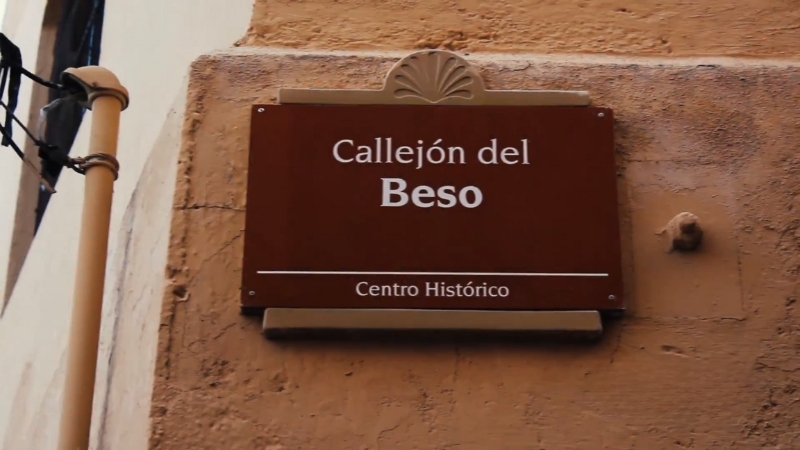
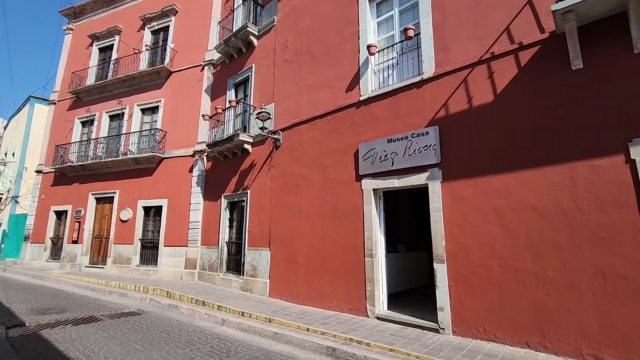
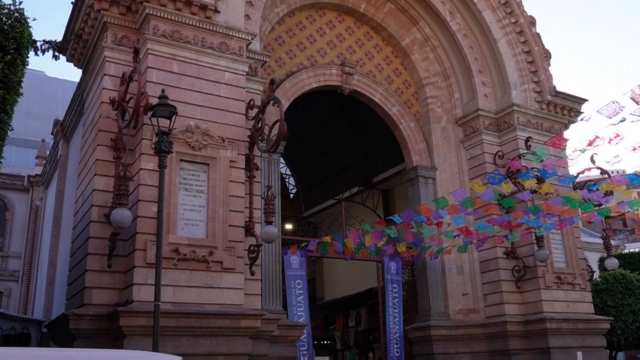
Keep an eye out for stairways that dip down into the subterranean streets, Guanajuato’s unusual system of underground roadways. High above the center stands a monument to Juan José de los Reyes “El Pípila”, a miner who became a hero of Mexican Independence. From here, the view spills out in all directions, hundreds of pastel houses crawling over the hills. Bring your camera. This is the photo you’ll keep coming back to. Built in the late 19th century, Teatro Juárez remains one of Mexico’s most beautiful theaters. Its Moorish-style foyer, velvet seating, and ornate stage make even a casual tour worth the ticket. But if you can catch a performance, classical music, dance, or even a Cervantino headliner, the experience is on another level. Check official listings before you go. At night, Guanajuato’s narrow alleys fill with laughter and song. Student music troupes known as tunas lead groups from square to square, playing lutes and guitars, telling legends, and coaxing everyone into a sing-along. It usually starts near Teatro Juárez. Yes, it’s a bit staged for visitors, but it’s also one of the city’s most joyful traditions. Couples, families, and friends all end up walking home humming. Barely wide enough for two people to stretch their arms across, this alley is home to Guanajuato’s most famous love story. Two balconies face each other so closely that couples can lean across for a kiss. Beneath the center, a three-kilometer stretch of stone tunnels carries traffic and pedestrians. Originally carved along an old riverbed, the Subterránea Miguel Hidalgo opened in the 1960s and is now one of the city’s most distinctive features. Even if you’re not driving, walk down a staircase to peek inside. The arches, the dim light, the echo of footsteps, it feels like stepping into another city below the city. Next door stands Templo de San Cayetano, a church built in the mine’s golden years. Its gilded altars glow with excess, a direct reflection of the wealth that poured out of the hills. Once a granary, this massive stone building became the site of a dramatic battle in 1810, when insurgents stormed it at the start of the War of Independence. Today, the Alhóndiga de Granaditas functions as a regional museum. Exhibits cover everything from pre-Hispanic culture to modern art, with special attention to the independence struggle. If you only visit one museum for context, make it this one. Diego Rivera, the world-renowned muralist, was born in Guanajuato in 1886. His childhood home now displays both early works and rotating exhibits. The house itself, with its period rooms and courtyards, gives a sense of the family life that shaped him. It’s a smaller stop, but an essential one for anyone who cares about Mexican art. Perhaps the city’s most unusual attraction, the Mummy Museum displays naturally preserved bodies exhumed from local cemeteries in the 19th century. It’s haunting, fascinating, and not for everyone. For many, though, it’s a must-see piece of Guanajuato’s story. The preservation was caused by the region’s unique soil conditions, and the collection has drawn curious visitors for decades. The University of Guanajuato has one of the city’s most iconic facades. Its broad staircase doubles as a gathering place, especially during Cervantino when performances spill into the open air. Climb to the top for a view that frames the Basilica in the distance. It’s also a good stop for a mid-morning coffee; the surrounding streets are full of cafes. Built in 1910 with ironwork and a central clock tower, Mercado Hidalgo is both a market hall and an architectural gem. Don’t leave without trying a guacamaya, a crusty roll packed with pork cracklings, avocado, and salsa. Messy, spicy, and perfect. From October 10 to 26, Guanajuato becomes the cultural capital of Latin America. The Festival Internacional Cervantino fills theaters, plazas, and even stairways with music, opera, dance, and street performances. Even if you aren’t usually a festival-goer, the atmosphere during Cervantino is unforgettable. Sometimes, a couple of hours outside Guanajuato adds an entirely new layer to the trip. Two nearby spots, Dolores Hidalgo and Cristo Rey, are well worth carving out a day. About an hour from Guanajuato lies the town where Mexico’s independence was declared. Wander through its historic center, visit small museums, and make sure to try the famous nieves, sorbets in flavors ranging from lime to avocado. For wine lovers, the Cuna de Tierra winery offers tastings with sweeping Bajío views. Near Silao, a 20-meter bronze statue of Christ the King crowns the mountain. It’s a major pilgrimage site and offers vast panoramas of the plains. Bring a light jacket, as the wind can surprise you at the summit. Travelers who enjoy exploring Guanajuato often find the same sense of discovery in Kanab, where slot canyons, old film sets, and red rock trails offer countless things you can do. If you only take one thing from this guide, let it be that Guanajuato rewards curiosity. Climb the stairs, follow the sound of a guitar, peek into an alley. The city gives back every step of the way.2. Ride the Funicular to El Pípila
3. Step Inside Teatro Juárez
4. Join a Callejoneada
5. Visit the Callejón del Beso
6. Explore the Subterránea Miguel Hidalgo
7. Visit La Valenciana Mine and San Cayetano Church
In the 18th century, La Valenciana mine produced so much silver it reshaped global markets. Today, guided visits take you underground to see old shafts and learn how miners worked in brutal conditions.8. Tour the Alhóndiga de Granaditas
9. Diego Rivera House Museum
10. Museo de las Momias
11. Rest in Jardín de la Unión
Think of Jardín de la Unión as the living room of Guanajuato. Day or night, bands play under the trimmed trees, waiters balance trays of coffee or tequila, and conversations hum.
12. Climb the University Steps
13. Mercado Hidalgo
14. Festival Internacional Cervantino 2025
15. Day Trips: Dolores Hidalgo and Cristo Rey
Dolores Hidalgo
Cristo Rey at Cerro del Cubilete
What to Eat in Guanajuato
Getting There and Around
Smart Planning Tips
Suggested 2-Day Itinerary
Day 1
Day 2
Responsible Travel and Safety Notes
Final Thoughts
Guanajuato has a way of blending its silver-mining past with today’s artistic pulse. One moment you’re sipping coffee in a plaza where history was made; the next, you’re swept up in a street performance or hearing music spill from a university hall.