

Minnesota has a long list of state parks that are worth the drive, but when people talk about planning a proper weekend outdoors, Savanna Portage and Jay Cooke tend to come up first. They sit within reach of each other, yet the experience in each feels noticeably different once you arrive.
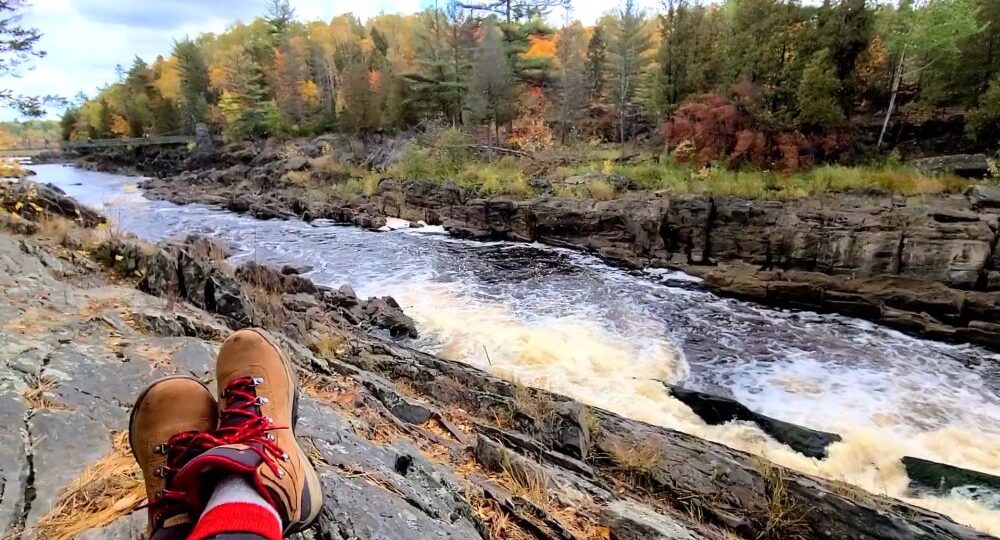
Jay Cooke tells a different story. The St. Louis River cuts through a rocky gorge, and the park builds around that drama. Visitors cross a swinging suspension bridge, climb ridgelines for wide river views, and move through terrain that feels sharper and more vertical.
Both parks deliver time outside and solid trail systems. The decision comes down to what kind of setting you want under your boots.
Side By Side Comparison
Before getting into trail details and camping tips, here is a simple look at how Savanna Portage and Jay Cooke stack up next to each other.
| Category | Savanna Portage State Park | Jay Cooke State Park |
|---|---|---|
| Overall Atmosphere | Open forests, scattered lakes, and more laid back | Rugged terrain, strong river presence, more intense feel |
| Main Scenery | Wooded hills and quiet water | St. Louis River gorge and rocky ridges |
| Standout Feature | Historic canoe portage route | Suspension bridge over a fast-moving river |
| Hiking Style | Long forest routes, steady elevation | Ridge climbs, river overlooks, varied terrain |
| Water Activities | Canoeing, kayaking, fishing, and swimming | River views, limited paddling due to the current |
| Crowds | Usually lighter | Popular, especially on weekends |
| Camping | Lakeside sites and wooded camp areas | Well-developed campground near main attractions |
| Best Fit For | Travelers who want space and quiet water | Visitors who enjoy dramatic views and active trails |
Savanna Portage State Park
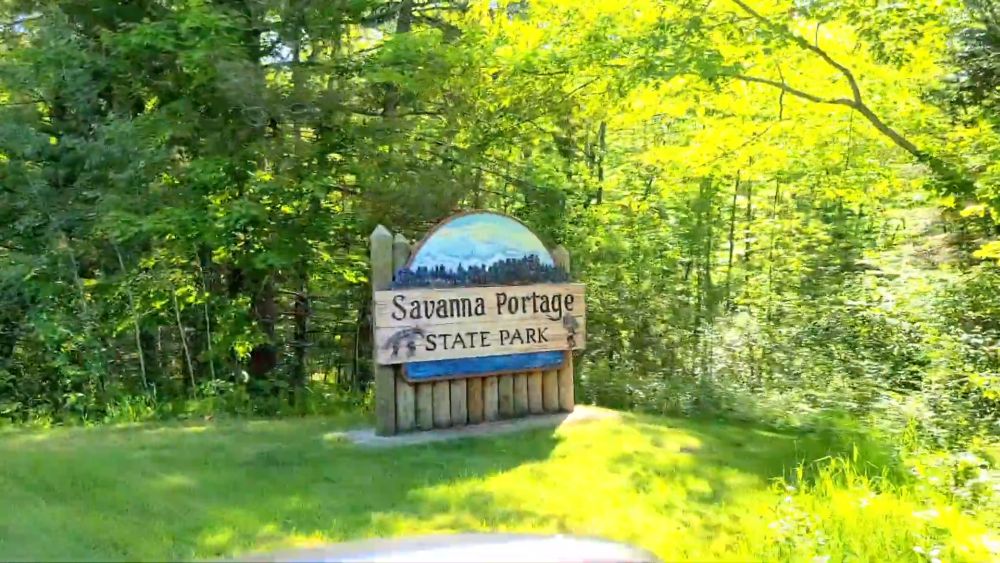
The park covers a large tract of mixed hardwood and pine forest, shaped by glaciers and defined by water.
Compared with some of the more dramatic parks in the state, Savanna Portage feels broader and more open.
The experience builds gradually. You notice the sound of wind in the trees, long stretches of trail, and the space between campsites.
The park also carries historical weight. For centuries, Indigenous travelers and later fur traders used this route to move canoes between the Mississippi River system and the Great Lakes watershed.
Location And Overall Setting
Savanna Portage lies about 20 miles south of Floodwood and roughly an hour west of Duluth. The terrain rolls gently rather than rising sharply.
Expect wooded ridges, wetlands, and a chain of lakes scattered through the park. Wildlife habitat is diverse.
White-tailed deer, black bears, foxes, and a wide range of bird species live in the area.
History And The Historic Portage Trail
The historic Savanna Portage Trail once served as a crucial overland link between two massive drainage systems.
Canoes would be carried over land to connect waterways flowing south toward the Mississippi River and east toward Lake Superior.
That route turned the region into a key corridor during the fur trade era.
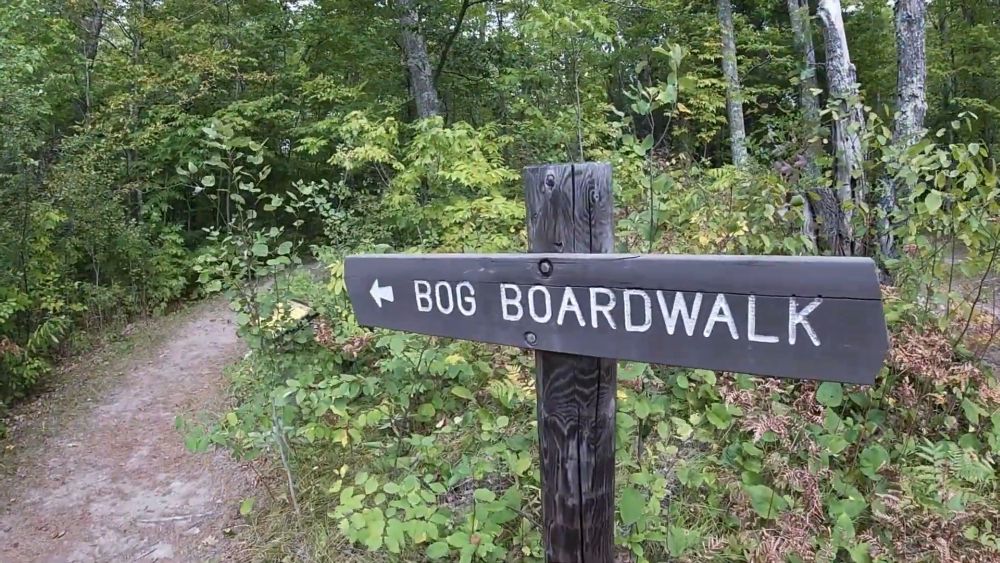
Today, parts of that historic trail remain accessible to hikers. Interpretive signs explain the role of Indigenous communities and European traders in shaping early transportation routes.
Hiking Trails And Terrain
Savanna Portage offers more than 30 miles of trails. Terrain ranges from easy forest walks to moderate climbs over glacial ridges.
The Continental Divide Trail runs through the park, marking the boundary between waters flowing to different major basins.
Trails tend to be wide and well-marked. Hikers move through dense woods, skirt wetland edges, and occasionally reach open views over lakes.
The Lakes Of Savanna Portage
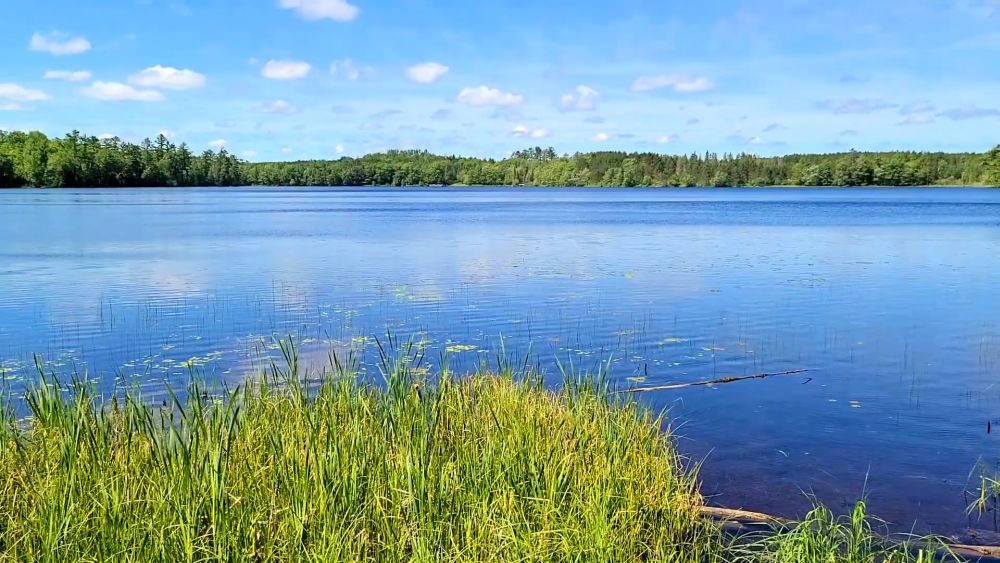
Shumway Lake, Loon Lake, Wolf Lake, and several smaller bodies of water provide swimming areas, boat launches, and fishing access.
Shorelines vary from sandy stretches to wooded edges where loons call in the evening.
While the state-managed lakes within Savanna Portage operate under public oversight and conservation standards, private lake and pond owners throughout the United States rely on professional water management equipment to maintain quality.
Many use lake accessories solutions such as aeration systems, circulation devices, and specialized treatment tools to control algae growth, improve oxygen levels, and support healthy aquatic ecosystems.
In Savanna Portage, the lakes remain relatively undeveloped. Motorized traffic is limited, and paddling remains one of the best ways to explore the area.
Paddling, Fishing, And Swimming
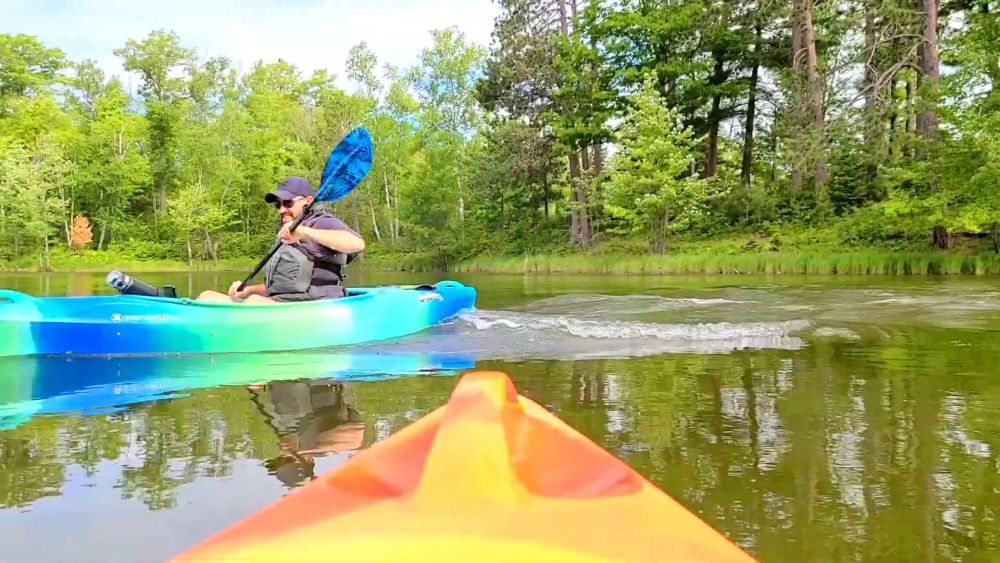
Canoeing and kayaking are popular here due to calm water and multiple access points.
Anglers target species such as walleye, northern pike, and panfish, depending on the lake.
Designated swimming beaches offer shallow entry areas suitable for families.
Because the lakes are smaller and more contained than major river systems, they suit relaxed paddling trips rather than adrenaline-filled adventures.
Camping And Overnight Options
The park offers drive-in campsites, walk-in sites, and a group camp.
Many sites sit near water or within dense forest cover. Facilities include restrooms, picnic tables, and fire rings.
The atmosphere tends to be low-key, especially outside peak summer weekends.
Campers looking for a setting that emphasizes space and nature over crowds often find Savanna Portage appealing.
Wildlife And Natural Landscape
Wetlands and forests create habitat for a wide range of species. Birdwatchers may spot bald eagles, loons, and various waterfowl.
Early morning hikes increase chances of seeing deer or hearing distant calls from wildlife moving through the trees.
Winter transforms trails into routes for cross-country skiing and snowmobiling.
Best Time To Visit
Late spring through early fall offers the most access to trails and lakes. Summer suits swimming and paddling.
Autumn attracts visitors interested in foliage and cooler hiking conditions.
Winter draws a smaller but dedicated group focused on snow activities.
Jay Cooke State Park
The park covers more than 8,000 acres and acts as a gateway between inland forest and the Lake Superior region.
Water carved the terrain here over thousands of years, cutting through layers of slate and shaping steep hillsides that define the experience today.
Location And First Impressions
The entrance area leads quickly to trailheads and river views. Visitors often hear the water before they see it.
The St. Louis River Gorge
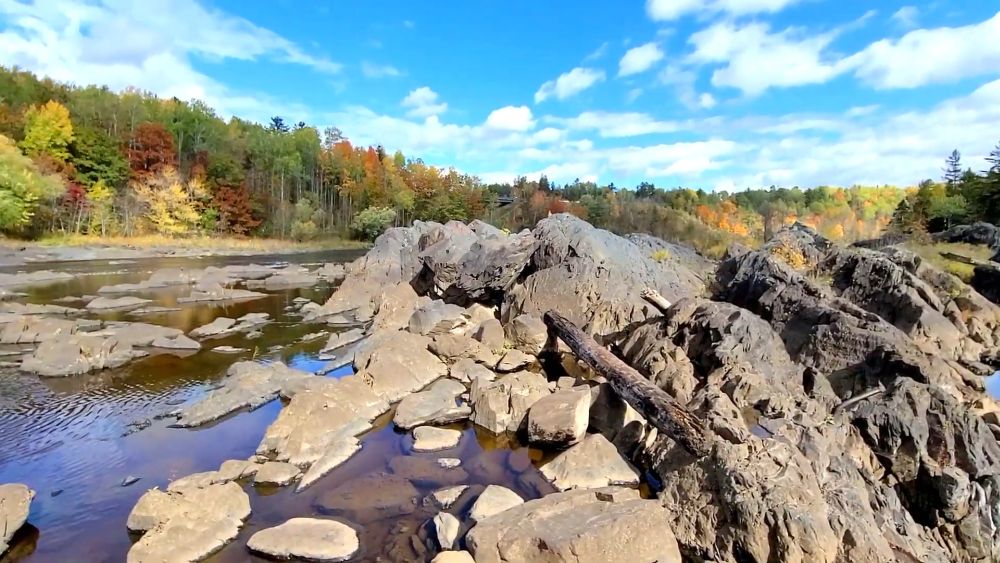
The heart of the park is the St. Louis River as it rushes through a narrow rocky channel.
Exposed bedrock forms jagged edges along the waterline, and during spring snowmelt, the current becomes especially powerful.
The gorge creates natural overlooks where hikers can stop and watch the water surge below.
Rock formations along the river show clear signs of glacial and tectonic forces.
The Suspension Bridge Experience
The suspension bridge is the signature landmark of Jay Cooke. It stretches over the river and sways slightly underfoot, adding a subtle sense of movement to the crossing.
The structure connects major trail segments and offers a direct view of the river cutting through the gorge.
Many visitors come specifically to walk the bridge and photograph the scene.
Hiking Trails And Elevation
Jay Cooke features more than 50 miles of hiking trails. Terrain ranges from easy river side walks to steeper climbs that lead to high ridgelines.
Sections of the Superior Hiking Trail pass through the park, attracting long-distance hikers.
Elevation gain is more noticeable here than at Savanna Portage. Trails may involve rock steps, uneven surfaces, and narrow passages along slopes.
Camping And Facilities
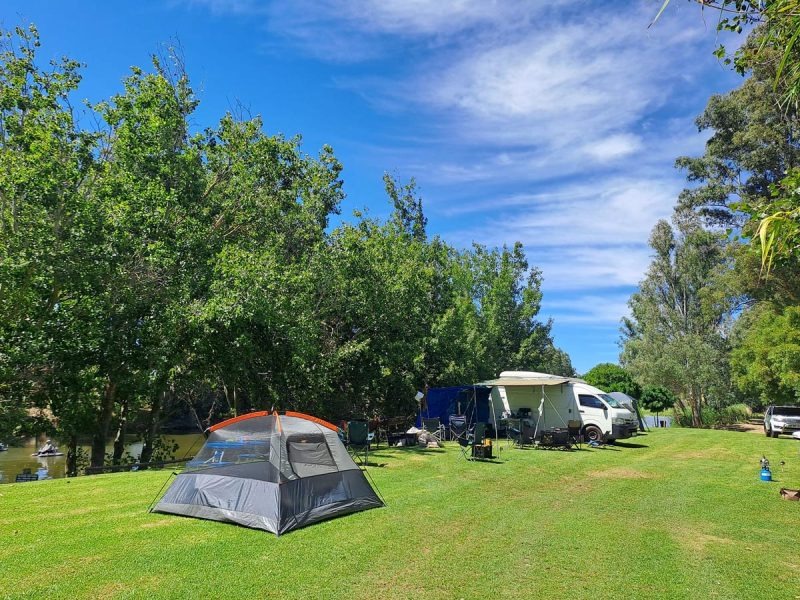
Jay Cooke offers a well-developed campground with drive-in sites, pull-in sites, and a group camp.
Restrooms, showers, and a visitor center provide added convenience.
The campground sits within forested surroundings but remains close to main attractions.
Seasonal Highlights
Spring brings high river levels and strong currents. Summer supports full access to trails and camping facilities.
Autumn remains one of the busiest periods due to foliage. Winter transforms the gorge into a snow-covered landscape suited for cross-country skiing and snowshoeing.
The river continues to shape the mood of the park year-round. Flowing water, exposed rock, and elevation shifts define nearly every major activity within its boundaries.
Last Words
Savanna Portage is a better fit if you want a full day near lakes and long forest trails. You can paddle, hike steady miles, and camp without dealing with steep terrain. The landscape feels open and spread out.
Jay Cooke suits visitors who prefer elevation and defined terrain. The river gorge shapes the park. Trails involve more climbing, and viewpoints sit higher above the water.
Both parks are well worth the drive. The choice depends on what kind of terrain you want under your feet and what kind of setting you want around you for the day.