
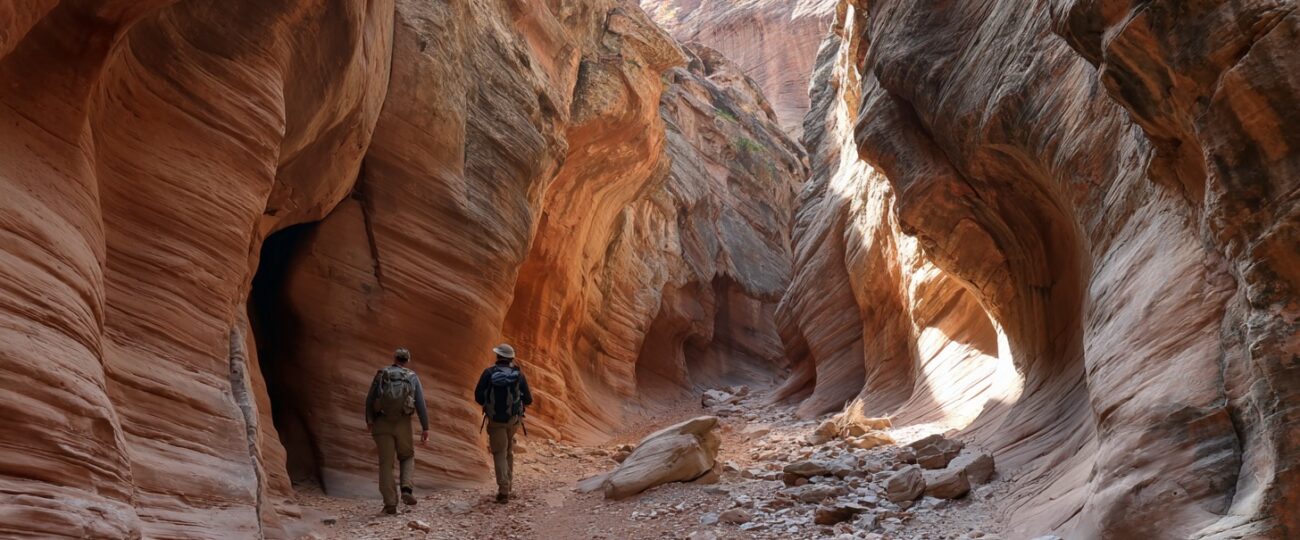

Peek-a-boo and Spooky Gulch rank among the most iconic nontechnical slot canyon hikes in Grand Staircase–Escalante National Monument.
A rare loop route winds through towering sandstone walls and dramatic narrows, creating an experience that feels both adventurous and playful.
Scenic red and purple rock formations twist overhead while sculpted passages narrow and widen without warning. Hands-on scrambling adds excitement, yet no technical gear or permits are required.
Many hikers describe the route as an adult playground shaped by wind and water over time.
Without further ado, let us talk about it.
Reaching the Dry Fork Slots
Planning begins long before stepping into sandstone corridors. Access to Peek-a-boo and Spooky Gulch requires a commitment to driving remote desert roads and preparing for limited services. Careful logistics set the tone for the entire outing.
Peek-a-boo and Spooky Gulch sit in the Dry Fork area off Hole-in-the-Rock Road near Escalante, Utah, about 26.3 miles south of Highway 12.
Grand Staircase-Escalante National Monument surrounds the area under Bureau of Land Management oversight.
Remote desert terrain defines the setting, and town services sit far away once pavement ends.
- Access begins along Hole-in-the-Rock Road south of Escalante
- Distance measures roughly 26.3 miles south of Highway 12
- Federal management falls under the Bureau of Land Management
- No water, fuel, or cell service exists at the trailheads
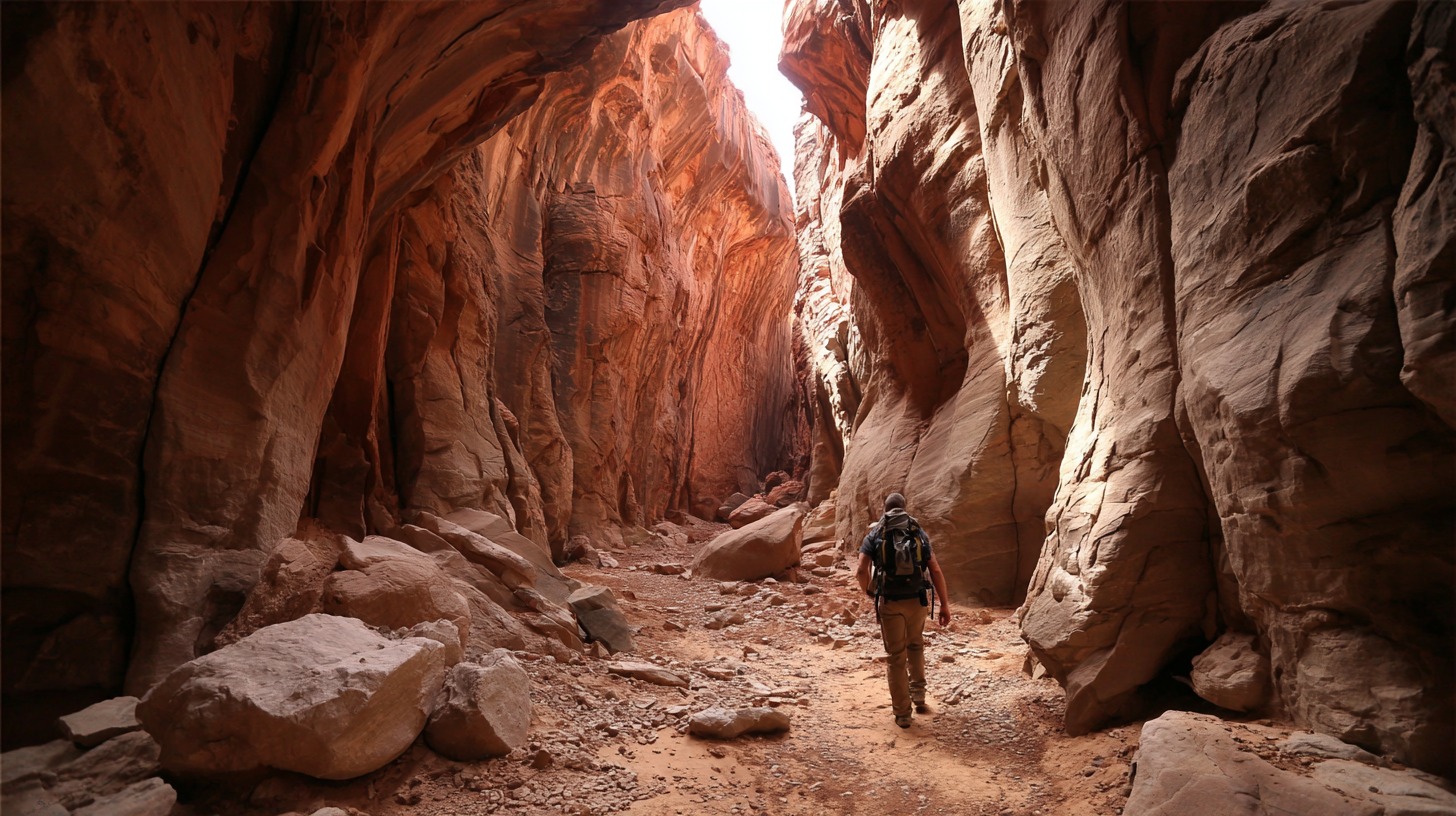
Primary access points offer two distinct starting options, each shaping the overall experience.
Lower Dry Fork Trailhead provides a shorter approach directly toward Peek-a-boo and Spooky. Upper Dry Fork Trailhead adds mileage and often includes Dry Fork Narrows before reaching Peek-a-boo.
Road conditions play a major role in trip planning. Hole-in-the-Rock Road extends for miles as an unpaved dirt and gravel route with a heavy washboard texture that can rattle vehicles and test patience.
- Long stretches of rough corrugation
- Occasional sandy patches that may trap low-clearance cars
- Muddy, impassable sections after rain
High-clearance vehicles are recommended, especially after storms. Recent weather should always be checked before committing to the drive, since conditions can shift quickly in desert environments.
Loop Options and Route Flow
Route choice influences both effort and overall rhythm of the hike. Most visitors aim to complete a loop that links both slot canyons in a logical sequence that reduces congestion and confusion.
Clockwise travel remains the most common pattern. Hikers typically enter Peek-a-boo first, then follow cairns across slickrock and sandy stretches toward Spooky Gulch.
Return usually follows Dry Fork Wash back to the trailhead.
- Approach trail descending into Dry Fork Wash
- Scramble entry into Peek-a-boo Gulch
- Cross-country walk marked by cairns toward Spooky
- Tight descent through Spooky Gulch
- Sandy wash hike back to the starting point
Upper Dry Fork Trailhead allows an added visit to Dry Fork Narrows before reaching Peek-a-boo.
Distance and time estimates vary more than many expect, especially when factoring in route finding and time spent navigating narrow squeezes.
- 3.0 to 3.5 miles round trip starting at Lower Dry Fork
- Average hiking time of three to four hours
- Up to about 6.0 miles recorded by Utah’s Adventure Family due to route variations and a longer loop than anticipated
Overall difficulty rates are moderate, though sections feel more strenuous than mileage suggests. Tight passages demand squeezing and careful movement.
Scrambling sections require solid foot placement and balance. Energy use increases inside narrow corridors, especially during climbs and controlled descents.
Inside the Slots – What Awaits
Anticipation builds quickly once sandstone walls begin to rise. Each canyon offers a distinct personality, shifting from open curves to claustrophobic squeezes within minutes.
Dry Fork Narrows as a Warmup
@trailboundjourneys If you thought Peekaboo was tight… wait until you squeeze through Spooky Slot Canyon 😅 📍 Spooky + Peekaboo + Dry Fork Narrows 🥾 Spooky is part of the same loop as Peekaboo (about 3.5 miles total if you do them together), but you can hike it on its own if you just want to test your flexibility and patience! 🌵 How narrow? Let’s just say—this one earns its name. Some sections are only 10–15 inches wide, and you’ll be turning sideways more than once to make it through. 🎒 Leave the big pack at home! There’s no room for it here. A small trail running vest or hydration pack is perfect for this one. 💧 Bring LOTS of water, especially in the warmer months. The sun beats down hard once you’re out of the canyon, and there’s no shade. 👨👩👧👦 Family-Friendly? Yes—with teamwork, patience, and a sense of humor. We saw several families (and a few couples practicing conflict resolution in real time 😂). Kids loved the adventure once they got the hang of it! 🧗♀️ What to Expect: —Tight squeezes and dark, winding corridors —Occasional scrambles and drop-downs —Lots of laughter, teamwork, and a few “how do we get out of this?” moments ⚠️ Safety + Leave No Trace: Skip slot canyons if there’s any chance of rain—flash floods can be deadly. Pack out all trash and never carve or write on the sandstone walls. It’s a wild, wavy, sandstone playground — and one of Utah’s most unforgettable adventures 🧡 #SpookySlotCanyon #PeekabooSlotCanyon #DryForkNarrows #Escalante #UtahHikes ♬ original sound – trailboundjourneys
Dry Fork Narrows offers a wider sandy slot canyon experience that many hikers treat as an introduction to tighter terrain.
Curving walls and softer light create a relaxed atmosphere compared to Peek-a-boo and Spooky.
- Wider passageways with sandy footing
- Gentle curves rather than extreme squeezes
- Easy walking with minimal scrambling
Many hikers include this section while approaching Peek-a-boo via Upper Dry Fork Trailhead, using it as a physical and mental warmup before tackling narrower passages.
Peek-a-boo Gulch and Its Playful Obstacles
Peek-a-boo quickly shifts the mood with sculpted walls, flowing curves, and red sandstone shaped into arches and windows. Entry often requires a scramble roughly 10 to 12 feet high using natural handholds and carved footholds.
- Vertical rock face at the canyon mouth
- Natural cutouts and textured grips
- Short chimney-style climbing moves
Inside, obstacles appear regularly, creating an interactive experience that demands hands as much as feet.
Natural windows frame slices of sky, and swirling rock patterns create striking views. Walls feel more open compared to Spooky, allowing brighter light and easier passing in many sections.
Spooky Gulch and Its Extreme Narrows
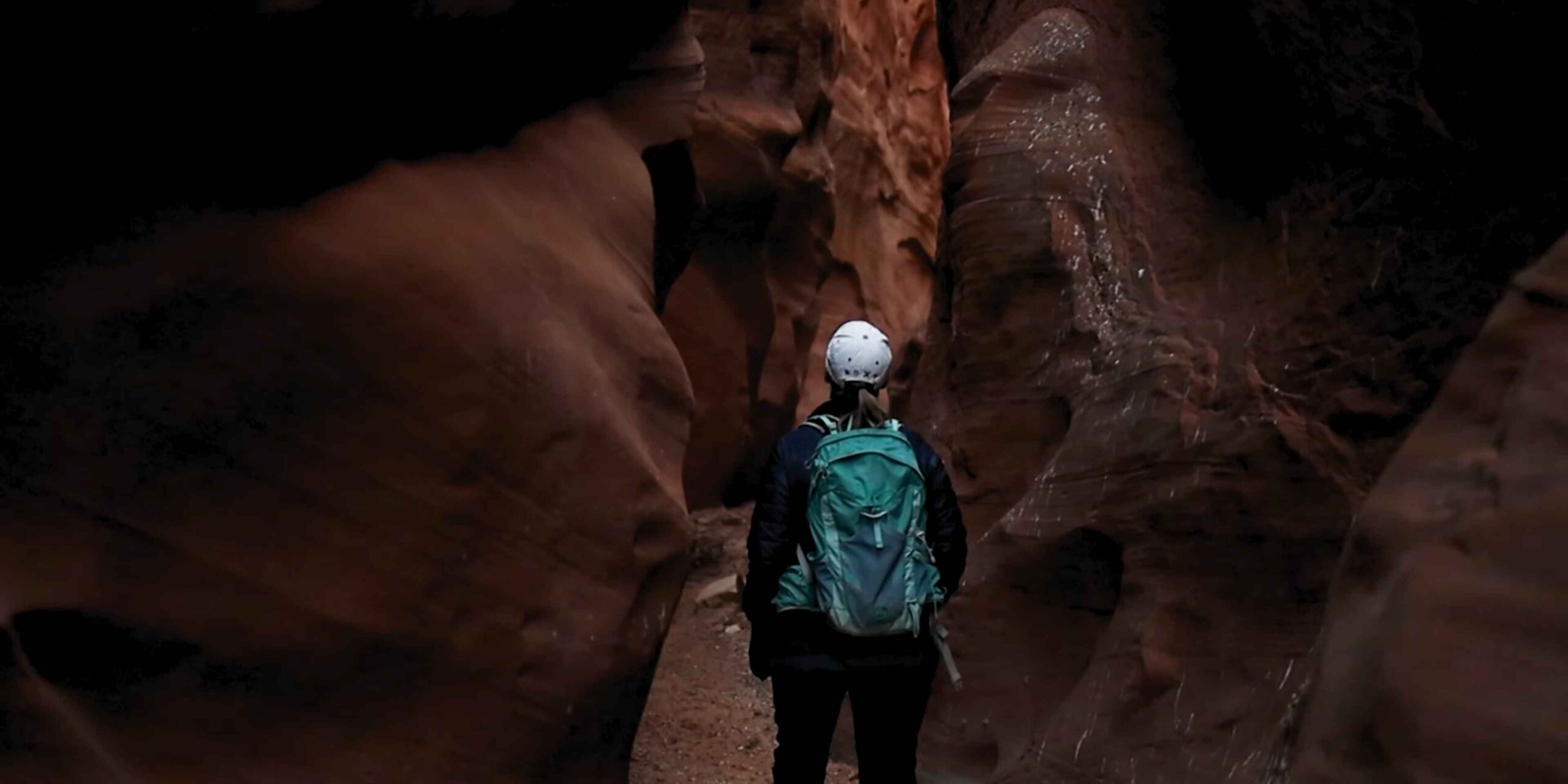
Spooky Gulch contrasts sharply with Peek-a-boo through intense constrictions and dimmer light. Sections narrow to about 10 inches wide in places, forcing close contact with smooth sandstone walls.
- Side shuffling with shoulders turned
- Lifting packs overhead or pushing them ahead
- Controlled descents through narrow bends
Total length measures roughly 600 or more yards. Slow progress through squeezes can make the canyon feel longer than expected.
Passing other hikers may prove difficult, so entering Peek-a-boo first and finishing with Spooky helps reduce congestion and awkward standstills in tight corridors.
Safety, Skill, and Smart Preparation
Slot canyon hiking demands preparation that extends past standard trail outings. Limited escape options and narrow wall heighten the consequences of poor timing or inadequate gear.
Flash Flood Awareness
Flash flooding presents a serious hazard in all slot canyons. Storms anywhere in the region can funnel water quickly through narrow corridors with little warning.
Summer monsoon season increases risk, and distant rainfall may still impact dry washes.
- Dark clouds building in nearby areas
- Rain forecasts within the broader Escalante region
- Recent heavy storms even if skies appear clear at the trailhead
Careful review of weather reports remains critical before entering any slot. Turning back remains a wise decision when conditions feel uncertain.
Physical Ability and Route Finding
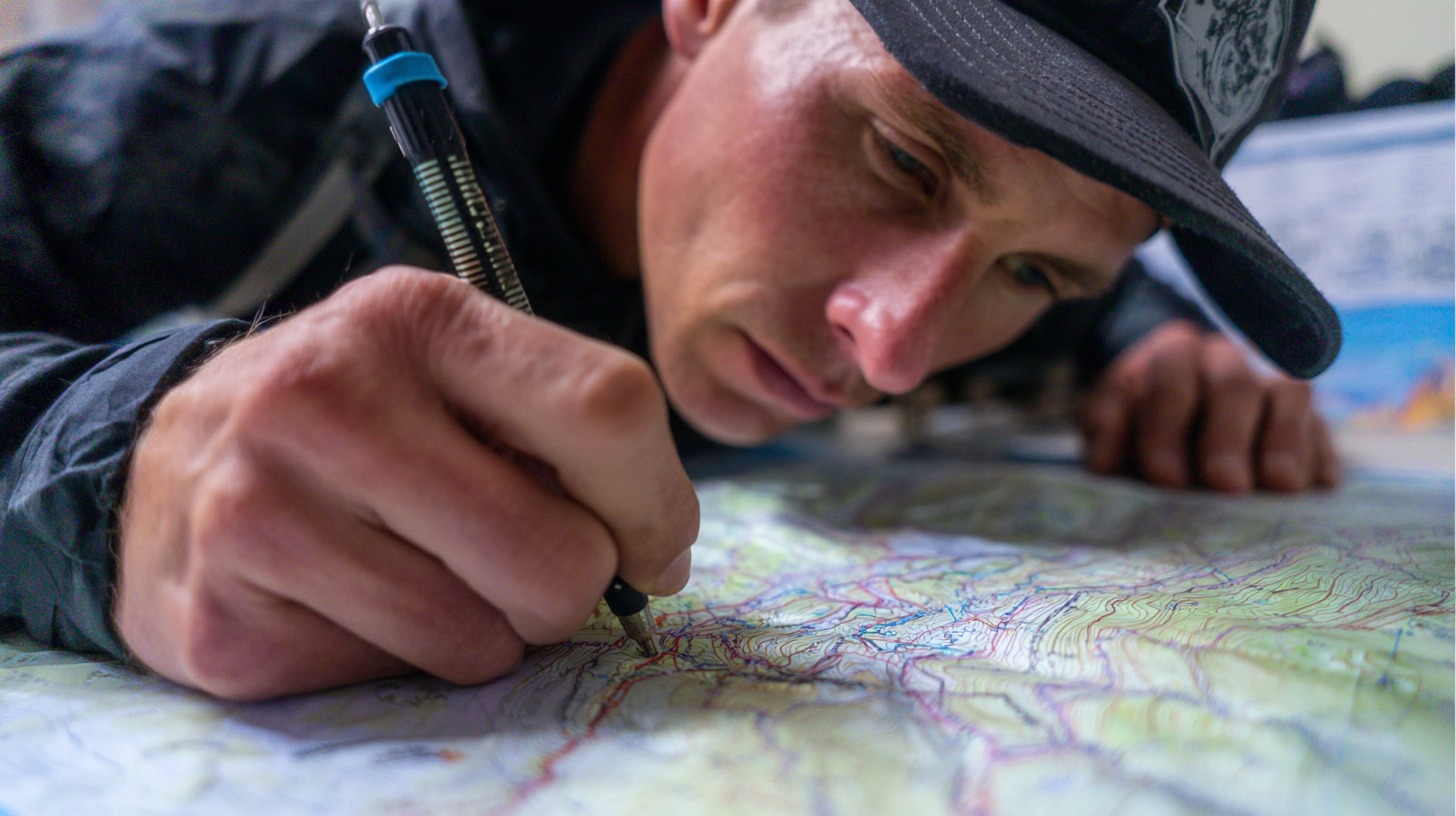
Physical readiness plays a major role in enjoyment and safety. Flexibility, balance, and grip strength prove valuable throughout the loop.
Comfort in tight spaces becomes especially important inside Spooky.
Cairns mark sections across slickrock, yet open desert terrain can confuse hikers unfamiliar with navigation in such settings.
- Initial scramble into Peek-a-boo
- Confined twisting passages in Spooky
- Route finding across exposed slickrock between canyons
Patience and steady pacing help conserve energy and maintain safety, particularly during climbs and tight descents.
Packing Smart for Narrow Spaces
Gear selection directly affects comfort in narrow sandstone corridors. Two to three liters of water per person are recommended due to exposed sections without shade.
Footwear with strong grip improves traction on slickrock and sandy wash surfaces. Packing decisions can affect mobility and safety.
- Compact daypacks instead of large framed packs
- Small cameras or phones instead of bulky gear
- Minimal extra layers carried in tight bundles
Traveling light increases mobility and reduces frustration inside narrow walls where every inch matters.
Choosing the Right Season and Time of Day
@hikingwithhannah One of my favorite experiences I’ve had on a road trip in the US was hiking slot canyons. Antelope Canyon was too far out of the way, so we decided to check out Peek a boo slot canyon and spooky gulch in Utah (which are on the same hike btw). We hit this stop between Bryce Canyon National Park and Capitol Reef National Park and I can’t recommend it enough. Just make sure you bring heckin water!!! #utahcheck #slotcanyon #hikingadventures #hikinszn #usroadtrip #utah #brycecanyon #brycecanyonnationalpark #capitolreefnationalpark #statepark #stateparks #antelopecanyon #travelusa #bucketlisttravel ♬ オリジナル楽曲 – queen_greatest_pop
Season and start time shape the overall experience as much as physical ability. Temperature swings and shifting light conditions can alter comfort levels dramatically inside narrow sandstone corridors.
Spring and fall bring moderate temperatures and more stable conditions, making them ideal periods for hiking these canyons. Early starts help avoid heat buildup and peak visitation.
- Extreme summer heat on exposed approach trails
- Elevated flash flood risk during summer monsoons
- Cold shaded slots and possible icy patches in winter
- Fewer crowds during colder months
Careful timing improves comfort and lowers risk, turning a demanding slot canyon loop into a more manageable and rewarding experience.
Summary
Peek-a-boo and Spooky Gulch together create one of southern Utah’s most memorable canyon hikes. Fun scrambling, dramatic narrows, and vibrant sandstone formations combine into an experience that challenges and rewards at every turn.
Proper preparation, attention to weather, and readiness to climb and squeeze make this loop a standout adventure in the Escalante region.