
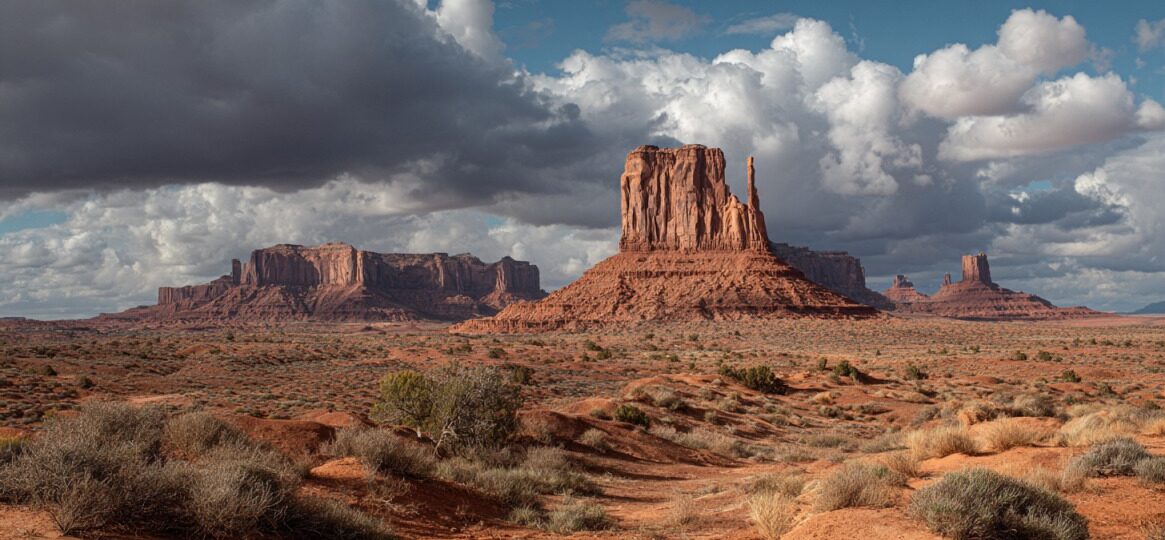

Monument Valley had been sitting on my bucket list for years. Photos in old Western movies and glossy postcards planted the image in my mind long ago. Towering red buttes rising out of the open desert felt like the definition of the American Southwest. I always told myself I would make the trip one day.
Eventually, I stopped putting it off. While planning a road trip through Arizona and Utah, I realized I was close enough to finally make it happen.
Distance and remoteness had always made me hesitate. Long stretches of highway, limited services, and hours behind the wheel felt like a commitment.
I wanted to know one honest thing. Was the time, effort, and miles worth it? I went in hoping for something unforgettable, but also prepared to admit if it felt overrated.
About Monument Valley
Monument Valley is famous for massive red sandstone buttes and spires rising out of the wide open desert. Those towering formations rise hundreds of feet into the sky and feel almost sculpted against the horizon.
Classic Southwest imagery that shows up in films, advertisements, and travel magazines often traces back to this exact place. Silence stretches for miles, broken only by wind and the sound of tires on gravel.
Monument Valley sits inside Monument Valley Navajo Tribal Park on the Arizona and Utah border on the Colorado Plateau. Elevation sits around 5,000 feet above sea level, which keeps temperatures slightly cooler than lower desert areas.
It is not a U.S. National Park. The Navajo Nation manages it, which means its own entrance fees, operating hours, and rules.
- The entrance fee is approximately eight dollars per person
- Park hours vary by season and weather conditions
- Navajo Nation laws and guidelines apply inside the park
- Access to certain backcountry areas requires a Navajo-guided tour
The debate about it being worth the trip often comes down to logistics. Remote placement requires planning. Major cities are hours away.
Long distances, limited gas stations, and a rugged road inside the park mean you need a car and patience. Anyone expecting quick access and full amenities may need to adjust expectations.
The Drive There…
I came in from Page, Arizona. The drive took about two to two and a half hours. Road stretched out in long, quiet segments with barely any traffic. Anticipation built with every mile as red rock formations started appearing on the horizon.
- Page, Arizona, to Monument Valley, roughly 2 to 2.5 hours
- Moab, Utah, to Monument Valley, roughly 2.5 to 3 hours
- Flagstaff, Arizona, to Monument Valley, around 3.5 to 4 hours
The approach felt almost cinematic. The highway seemed endless, then faint silhouettes of buttes began to rise in the distance. Commitment to that remote stretch felt both exciting and slightly exhausting.
Gas stations and services become sparse as you get closer. Planning matters. I made sure to top off my tank before leaving Page, since options thin out significantly near the park.
Part of me questioned the decision while staring at miles of open desert. Another part felt that something iconic was waiting at the end of the road.
First View of Monument Valley
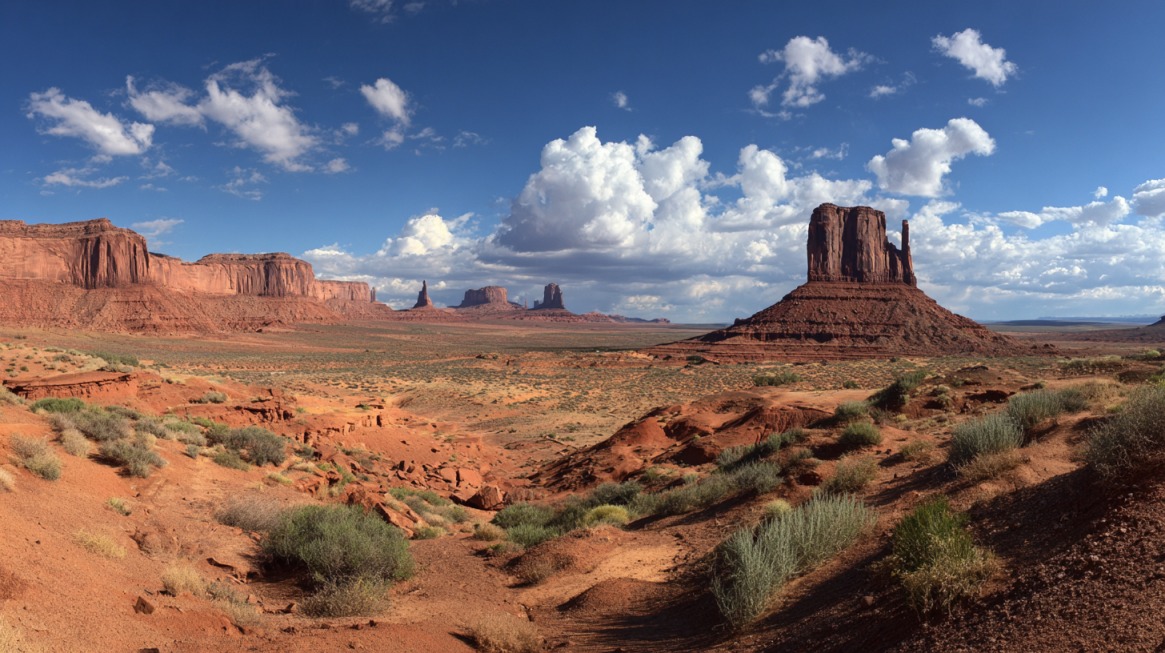
First sight of the Mitten Buttes and Merrick Butte stopped me in my tracks. The view looked exactly like scenes I had seen in old Western films. Seeing it with my own eyes felt surreal.
Entrance to Monument Valley Tribal Park required paying about eight dollars per person. Operations follow set daily hours, which vary by season. Summer hours are typically longer, while winter hours can be shorter due to earlier sunsets and weather conditions.
Knowing that the Navajo Nation manages the park added a layer of respect and awareness to the visit. Cultural significance extends far deeper than what most visitors see at first glance.
Emotion hit me quickly. It looked exactly how I imagined, and somehow even better. The scale felt larger in person. Colors seemed deeper. Silence made it more powerful.
The Scenic Drive Loop Experience
Seventeen Mile Loop Drive runs through the heart of the valley. Road is unpaved, dusty, and often bumpy. Plan on two to three hours if you stop often, which I absolutely did.
- The Mittens and Merrick Butte
- Elephant Butte
- Three Sisters
- John Ford Point
- Totem Pole and Yei Bi Chei
Road conditions required patience. Surface consists of packed dirt with sections of loose sand and small rocks. Moderate clearance is recommended, though regular vehicles can handle it in dry conditions. After heavy rain, conditions can deteriorate quickly.
- Drive slowly to avoid undercarriage damage
- Expect uneven dips and small ruts
- Dust can reduce visibility when cars pass
- Rain may temporarily close parts of the loop
Driving slowly allowed me to take everything in. Red dust kicked up behind my car. The desert air felt dry and warm. No rush existed out there. Quiet surroundings made every stop feel personal.
Moments That Made It Worth It
@mariemclh Gorgeous🌄 #monumentvalley #viewhotel #usa #roadtrip #fyp ♬ Kids – 🧇
Magic happened around nearly every curve. One minute I would be staring at a single towering butte, and the next minute the road would bend and reveal an entirely different angle with layers of rock stacked against the horizon.
Sweeping open views stretched so far that it felt like I could see forever. The vast desert floor contrasted sharply with the vertical walls of sandstone rising straight into the sky.
Light completely transformed the scene throughout the day. Early on, colors leaned softer, with muted reds and gentle shadows.
As the sun climbed higher, tones grew stronger and more intense. Later in the afternoon, shadows lengthened and carved dramatic lines across the formations. Rock faces that looked flat at noon suddenly showed depth and texture as the sun shifted position.
Arriving early or staying late makes a huge difference. I entered the loop not long after opening one morning, and traffic was minimal. Viewpoints felt peaceful and open. I could stand at overlooks without hearing engines or conversations. Cooler morning air also made walking around more comfortable.
Sunset brought another shift in mood. Warm golden light washed over the rock, then slowly deepened into darker shades of red and orange. Sky transitioned through soft pinks and purples before fading into blue. Those final minutes before dusk created some of the most dramatic views I saw all day.
John Ford Point left a strong impression on me. Standing at that overlook, I could easily imagine film crews setting up cameras decades ago.
Classic Westerns were filmed there, and that history is still felt in the atmosphere. Horses sometimes stand near the viewpoint for photos, reinforcing that old movie setting.
Sitting quietly at John Ford Point, I stopped taking pictures for a while. I just watched light move across the buttes and listened to the wind.
No rush, no schedule, no distractions. That simple pause, surrounded by massive sandstone formations and open desert, became one of my favorite memories of the entire trip.
View this post on Instagram
The Challenges and Considerations
Remoteness is very real. Cell service is limited or nonexistent in many areas. No gas stations sit inside the park. Nearest fuel options are at Goulding’s or in nearby towns, so filling up ahead of time is essential.
- Bring enough water, especially in warmer months
- Carry snacks since food options are limited
- Fill up your gas tank before arriving
- Download maps offline due to a weak signal
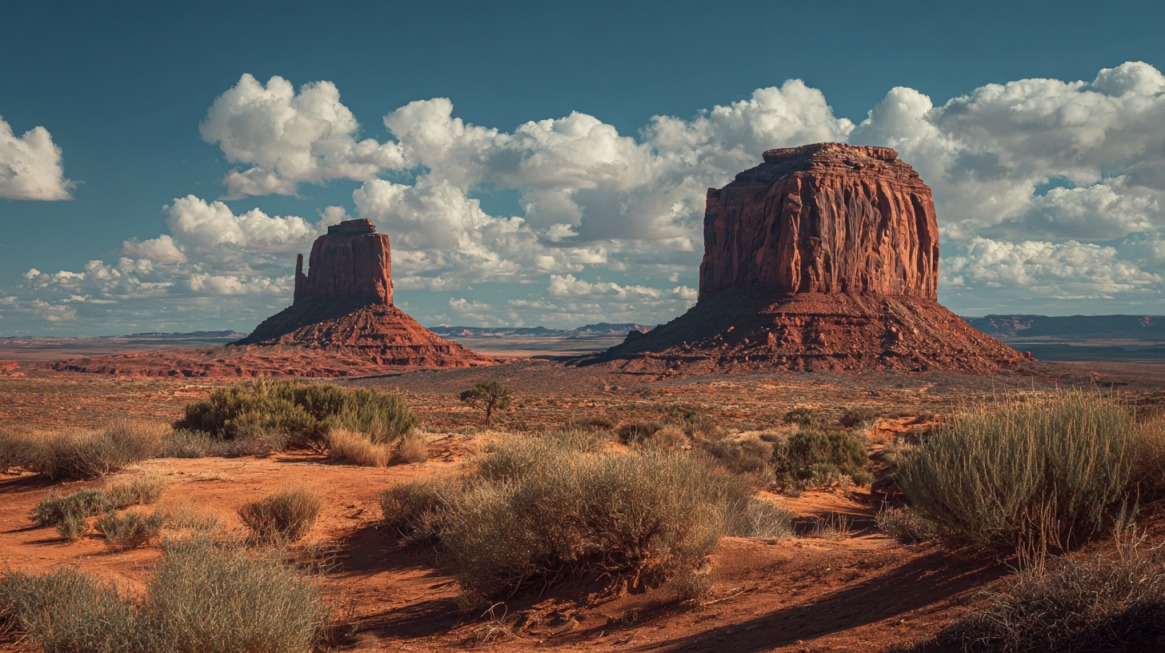
Rough road demands slow driving. Going too fast risks damage to your car. Dust can be intense. Rain can turn sections muddy or even impassable.
Weather adds another layer of uncertainty. Summer heat can be strong during midday. Storms can roll in quickly and change road conditions within minutes.
Time investment is significant. Multi hour drive each way requires planning. Travelers looking for quick paved paths and lots of amenities may not feel satisfied. Patience and flexibility are important here.
Was It Worth the Drive?
My answer is yes, with context. For me, chasing iconic Southwest scenery, photography moments, and a powerful desert experience made it worth every mile.
If someone wants something quick, easy, and packed with amenities, the answer might be no. Remoteness and rough roads are part of the deal.
Pros and cons balance out depending on expectations. Vast red formations and cinematic views carry serious weight. Long distances and limited services require effort.
Road trippers, photographers, and nature lovers will likely walk away satisfied. I did.