
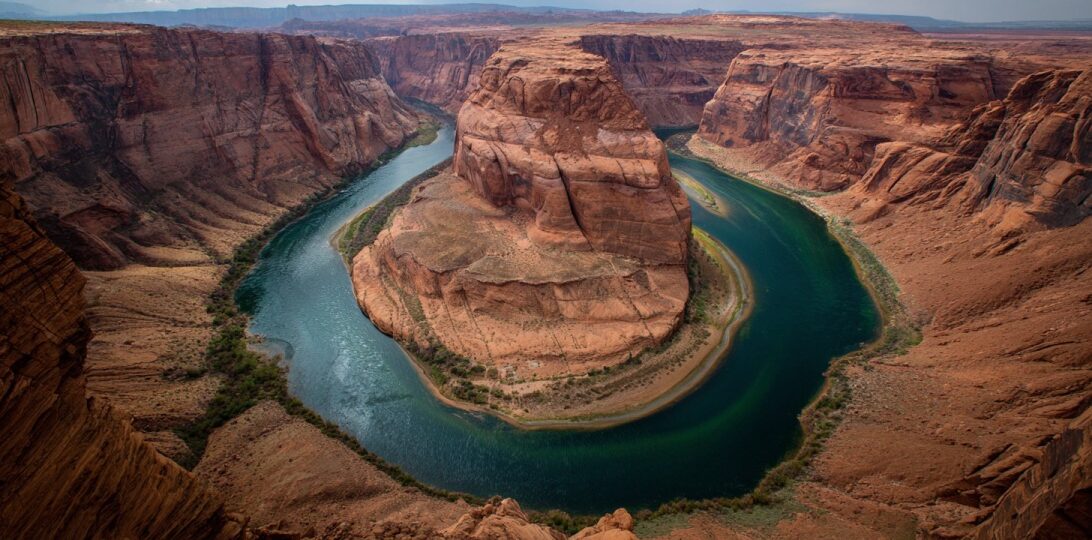

Few views in the American Southwest are as instantly recognizable as Horseshoe Bend. A dramatic 270 degree turn of the Colorado River cuts through towering sandstone cliffs, creating a scene that has flooded Instagram feeds, travel blogs, and bucket lists for years.
I had seen the photos countless times before finally visiting in person, and I wondered if reality could measure up to the hype.
With more than 2 million visitors each year, popularity raises a fair question. Is the experience truly worth the stop, or has it become overrated due to social media exposure and heavy traffic?
I want to break down both sides. I will cover the visual impact, crowd levels, logistics, accessibility, and my honest verdict so you can decide what to expect before you go.
What Exactly Is Horseshoe Bend?
Horseshoe Bend sits just outside Page, Arizona, along US 89, and it ranks among the most recognizable canyon views in the American Southwest.
Colorado River curves into a dramatic 270-degree bend through Glen Canyon, carving a near perfect horseshoe shape that looks almost sculpted by design rather than erosion.
Sheer sandstone cliffs rise about 1,000 feet above the river. Standing at the overlook, I feel fully exposed to the scale of the canyon. Open sky, vertical rock walls, and distant water combine into a panoramic view that feels massive and slightly intimidating.
Millions of years of erosion shaped this formation. River slowly cut through layers of sandstone, revealing bands of orange, pink, and pale cream rock that glow under direct sunlight.
River water often appears deep blue or blue green, depending on time of day and angle of light, creating a sharp color contrast against warm rock tones.
- Paved trail stretches about 1.5 miles round trip
- Trailhead begins at a parking lot just off US 89
- Walk typically takes 30 to 45 minutes total for most visitors
- Elevation gain is moderate but manageable for anyone with basic mobility
Ease of access makes it one of the simplest ways to experience a dramatic canyon view without committing to a long or technical hike.
Why It Looks Amazing
Visual impact explains much of the hype. When I first reached the overlook, scale and symmetry immediately caught my attention.
Breathtaking Natural Beauty
- Orange and pink canyon walls curve around vivid blue green water
- Rock layers create natural stripes and patterns along cliff faces
- Horseshoe shape forms a clean, almost geometric curve
View this post on Instagram
Looking down 1,000 feet intensifies the experience. Sense of height feels real and slightly unsettling. Photos rarely capture how steep and expansive the canyon appears in person. Depth, wind, and open space create a physical reaction that images flatten.
Light also changes everything. Early morning softens colors and reduces glare. Late afternoon deepens tones and creates stronger shadows along canyon walls.
Accessibility Makes It a Must-See
Convenience plays a major role in its popularity. I do not need a guided tour. I do not need an advanced permit.
The parking lot sits directly off a major highway, which makes it an easy stop for road trippers traveling between Page, the Grand Canyon, and other Arizona destinations.
Total time commitment can remain under an hour. That efficiency adds to its draw, especially for people trying to fit multiple stops into one day.
Social Media and Travel Culture
Constant exposure online fuels expectations. Horseshoe Bend appears frequently across Instagram, travel blogs, and promotional materials about Arizona.
View this post on Instagram
Overhead shots showing a perfect curve of river surrounded by glowing rock circulate year-round.
Social media presence plays a major role in why so many people prioritize it.
The Downsides
High popularity brings tradeoffs. My experience felt impressive visually, but not without drawbacks.
Crowds Can Be Intense
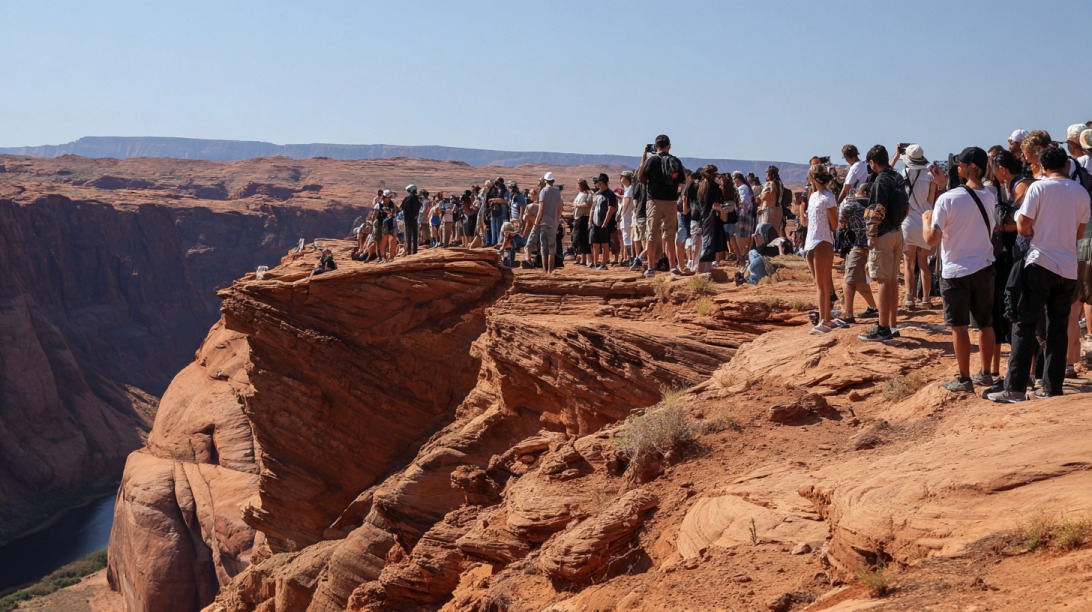
Visitor numbers reach 2 million or more annually. Midday and sunset often feel packed, especially during peak season.
- 9 AM to 11 AM
- 4:30 PM to 6:30 PM
During those windows, I shared the overlook with:
- Large tour groups
- Photographers waiting for specific angles
- Families cycling through for quick pictures
The sense of solitude disappears quickly. Rotating crowds create a constant hum of conversation and movement.
Conditions May Not Meet Expectations
The trail offers minimal shade. Summer heat can feel intense under direct sunlight. Even a 1.5-mile walk can feel longer when temperatures rise.
Facilities remain basic. Restrooms are simple and functional, not luxurious. Visitors expecting a fully developed park environment might feel slightly disappointed.
Safety Realities
Many viral images show people sitting close to cliff edges or flying drones overhead. Official rules prohibit drones. Marked areas exist for safety, even if some visitors ignore them.
- 1,000 foot vertical drop
- Sudden wind gusts
- Loose gravel near edges
I noticed that distraction plays a role. People focused on capturing dramatic photos sometimes forget how exposed the cliff edge truly is.
Best Time to Visit
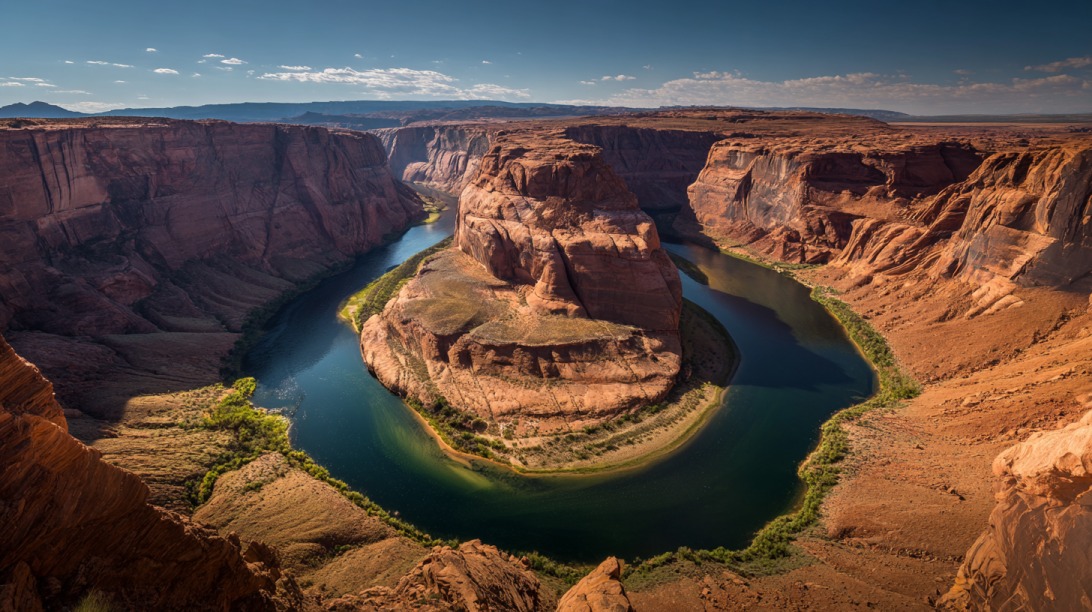
Timing shapes overall experience more than most people expect. Light, temperature, and crowd size shift dramatically throughout the day.
Sunset delivers dramatic color and long shadows, but it often brings heavier crowds. I found sunrise far more comfortable in terms of space and heat.
Crowds and Timing Strategy
Avoiding peak hours makes a noticeable difference. Off-season visits also reduce congestion.
Typical visit length falls between 30 minutes and 1 hour. Constant turnover keeps people moving, yet density still feels high during popular time slots.
- Early arrival
- Weekday visits
- Cooler months
can improve overall experience significantly.
Fees and Logistics
General park entry fee does not apply. Parking fee usually costs about 10 dollars per car or RV. National park passes generally do not cover this charge. Payment happens at the lot before starting the walk.
- Large parking area
- Clearly marked trail
- Paved walking surface
Accessibility and Physical Requirements
Paved trail makes navigation simple. Slight elevation gain and full sun exposure can challenge some visitors, especially during hot months.
Exposed terrain and lack of shade make basic preparation essential.
What I Loved and What I Did Not Love
@thekatieromeroLast day of my solo trip and we hit two breathtaking spots everyone should experience once in their life. 📍Antelope Canyon & 📍Horseshoe Bend♬ original sound – officialmooli
Experience left me with mixed but clear impressions.
I loved the dramatic 270-degree river bend carved into sandstone. Seeing that massive curve in person felt powerful and far more immersive than any image I had seen online. Visual impact truly lives up to most photos, especially when light hits the canyon walls at the right angle.
Quick access also impressed me. I appreciated being able to reach such a sweeping canyon panorama without committing to a long or exhausting hike.
At the same time, a few aspects took away from the experience. Crowds reduced the sense of peace and quiet I usually hope for in outdoor settings. Constant photo activity near the edge made the overlook feel busy rather than serene.
Heat also played a role. During summer, even that relatively short walk felt tougher than expected under direct sunlight.
I believe road trippers crossing northern Arizona will appreciate it most. Photographers looking for iconic Southwest shots can capture dramatic compositions with minimal effort. First-time visitors to the Colorado Plateau will likely find it impressive and memorable.
On the other hand, travelers searching for solitude may feel disappointed. Hikers wanting long and rugged trails will not find that kind of challenge here. Visitors hoping for hidden gem scenery with minimal foot traffic might walk away underwhelmed.
Overall, I found it worthwhile, but expectations shape satisfaction more than anything else.
The Verdict
I believe Horseshoe Bend is worth visiting at least once. Visual impact alone justifies a stop, especially if you plan your timing carefully and come prepared for heat and crowds.
At the same time, I understand why some people label it overrated. Anyone expecting isolation or an intense outdoor adventure may walk away disappointed.
For me, value depends on expectations. If I treat it as an iconic viewpoint with easy access and big crowds, I leave satisfied. If I expect a quiet canyon escape, I set myself up for frustration.