
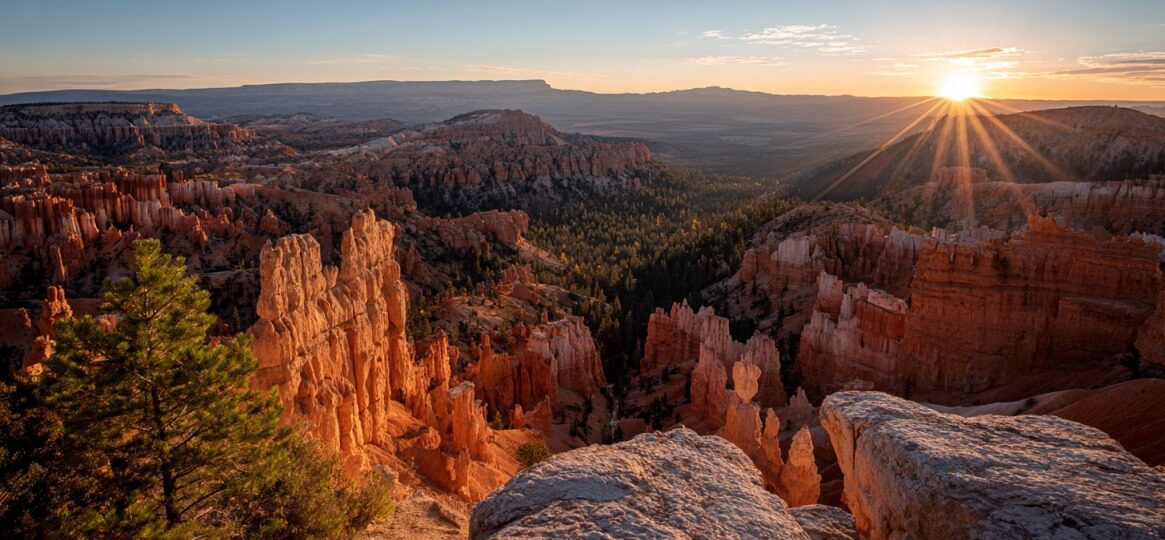

Bryce Canyon ranks among the top places in the United States for watching sunrise due to its hoodoo-filled amphitheater and high-elevation viewpoints.
Light at dawn transforms the canyon walls into shifting layers of orange, pink, and gold within minutes. Visitors often describe sunrise as the most visually dramatic time of day inside the park.
Sunrise Point serves as one of the most popular dawn viewing areas thanks to its wide, 360-degree perspective overlooking the Bryce Amphitheater. Photographers, first-time visitors, and early risers gravitate here for unobstructed views and easy access.
More than two million people visit Bryce Canyon each year, creating heavy congestion during peak seasons. Careful timing and early arrival help ensure a calm, rewarding morning experience without stress or crowd pressure.
Best Time to See the Sunrise
Planning sunrise viewing at Bryce Canyon requires attention to timing, seasonal conditions, and arrival strategy.
Light changes rapidly at high elevation, and even a short delay can mean missing the most dramatic color transitions. Careful preparation improves both viewing quality and overall experience.
View this post on Instagram
Sunrise Timing
Sunrise times shift noticeably across the calendar due to seasonal daylight variation and Bryce Canyon’s elevation. Summer mornings arrive early, while winter light appears much later, affecting both planning and comfort.
Checking exact sunrise time for specific travel dates remains essential to avoid arriving too late.
- Earliest sunrise occurs around 6:00 AM during June
- Latest sunrise ranges between 7:30 and 8:00 AM during November and December
Early light often begins shaping canyon color well before official sunrise, making timing just as important as location.
Ideal Arrival
Arrival 20 to 30 minutes before sunrise provides enough margin to handle parking, walking to the rim, and camera setup without pressure.
Pre-dawn conditions reveal subtle shifts in color and contrast as ambient light slowly fills the amphitheater.
Soft tones often appear before direct sunlight reaches the hoodoos, creating smoother transitions and deeper shadow detail.
- Parking before lots fill
- Selecting framing positions along the rim
- Adjusting camera settings gradually as light increases
Quiet conditions during pre-sunrise hours also allow uninterrupted viewing and photography.
Best Seasons
Seasonal conditions influence temperature, crowd size, and visual effect at sunrise.
Spring and fall provide cooler mornings and cleaner air, which supports consistent light quality. Summer mornings produce intense color but also bring heavier visitor traffic.
Winter introduces snow that adds contrast and texture to hoodoo formations, though cold temperatures require extra preparation.
- Spring and fall offer balanced conditions and manageable crowds
- Summer delivers vibrant color and occasional Milky Way visibility before dawn
- Winter creates dramatic scenes with snow-covered hoodoos and quieter overlooks
Season choice depends on comfort preference, crowd tolerance, and visual goals.
Top Sunrise Viewpoints in Bryce Canyon
Multiple viewpoints along the Bryce Amphitheater rim capture sunrise light differently. Elevation, orientation, and proximity to formations affect color, contrast, and composition.
Rotating between viewpoints during a single morning allows wider visual variety without long travel distances.
Sunrise Point
Sunrise Point sits about 1.1 miles north of the Visitor Center and marks the northernmost rim viewpoint of the Bryce Amphitheater.
Views stretch across Sinking Ship, Paria Valley, and dense hoodoo clusters spreading across the canyon floor.
Eastern orientation allows rising sunlight to backlight formations, producing fast color changes and glowing edges.
Access remains straightforward due to paved walkways leading directly to the overlook. Nearby ADA-compliant restrooms add convenience during early hours.
Direct access to Queen’s Garden Trail allows visitors to transition smoothly into a hike after sunrise without moving vehicles.
Bryce Point
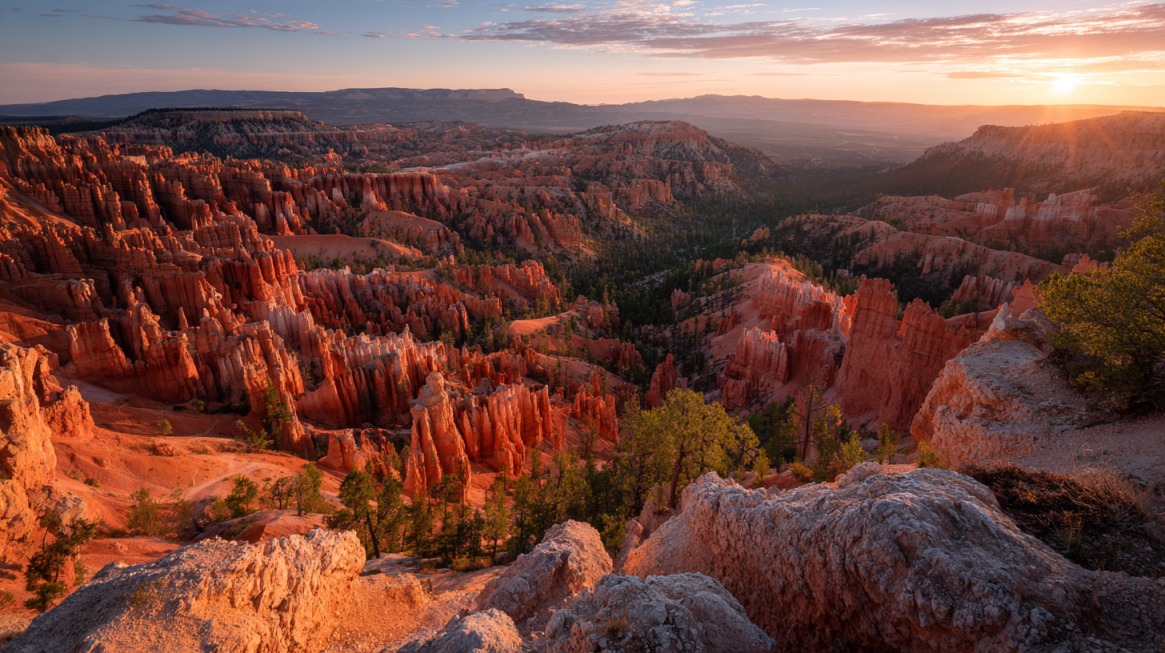
Bryce Point offers one of the most expansive panoramic views available along the rim. Angled morning light casts long shadows that increase depth and separation between formations.
Visitor numbers tend to be lower here compared to Sunrise Point, creating a calmer environment for extended observation or tripod placement.
- Strong shadow definition
- Wide field of view
- Reduced crowd pressure during peak seasons
Inspiration Point
Inspiration Point features three stacked tiers that provide varied elevation and perspective within a short walking distance. Vertical depth dominates the scene, with Silent City visible across the amphitheater. Changing elevation between tiers allows experimentation with framing and scale.
Wide-angle lenses perform especially well here due to layered formations and dramatic depth that fill the frame naturally.
Sunset Point
Sunset Point performs surprisingly well during sunrise hours despite its name. Morning light reaches Thor’s Hammer and Silent City at a closer angle than Sunrise Point. Proximity to the amphitheater allows tighter compositions and stronger foreground detail.
Short walking distances and nearby parking make Sunset Point an easy addition to a sunrise itinerary.
Inside the Canyon
Trails such as Peekaboo Loop and Fairyland Loop provide sunrise views at ground level inside the canyon.
Hoodoos catch early light around hikers rather than appearing below rim overlooks. Panoramic scope decreases, but creative options increase for close-up compositions, shadows, and texture.
Ground-level sunrise experiences work best for visitors returning to the park or seeking less conventional perspectives.
Photography Tips
Sunrise photography at Bryce Canyon rewards preparation and adaptability.
- Exposure
- Composition
- Timing
Equipment choice and technique both play critical roles in capturing usable results.
Gear Suggestions
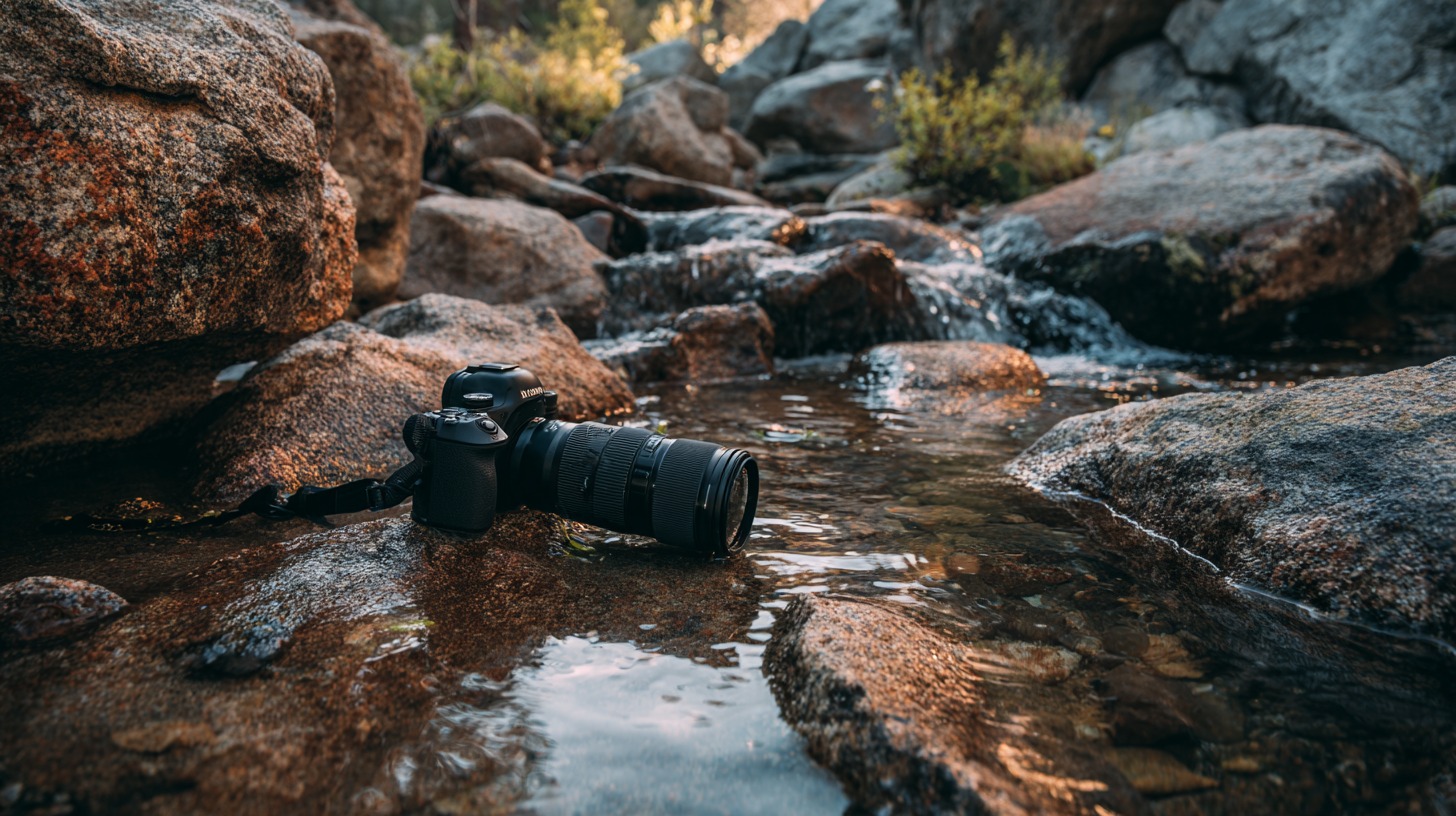
Low-light conditions before sunrise make stable support essential. Lens choice determines creative flexibility across the amphitheater.
- Tripods for stability during long exposures
- Wide-angle lenses between 14 and 24mm for expansive views
- Telephoto lenses between 70 and 200mm for isolating formations
Carrying both lens types allows quick adaptation as light evolves.
Shooting Techniques
RAW format preserves dynamic range during intense contrast changes. Lower ISO values between 100 and 400 help maintain clean image quality.
Exposure bracketing proves effective when balancing bright skies against shadowed canyon walls. Graduated ND filters assist with exposure balance as sky brightness increases.
Frequent setting adjustments remain necessary due to fast-changing conditions.
Timing and Light
Best lighting typically appears within a one-hour window centered on sunrise. Elevation near 8,100 feet causes light to intensify quickly once sun clears the horizon. Shadows retreat rapidly, altering composition opportunities minute by minute.
Staying alert during this period maximizes usable frames.
Framing Tips
Natural lines such as railings, trees, or trail edges guide visual flow through the frame. Contrast between illuminated hoodoos and shaded canyon walls adds depth. Sinking Ship remains a reliable focal point visible clearly at Sunrise Point during early light.
View this post on Instagram
Parking and Access Info
Access logistics play a major role in sunrise success at Bryce Canyon. Early arrival depends on vehicle access rather than park transportation.
| Section | Details |
|---|---|
| Park Access | Bryce Canyon National Park remains open around the clock, allowing entry before dawn. Entrance stations may be unmanned early, making it possible to pay later or purchase passes online. |
| Sunrise Point Parking | Parking near Sunrise Point consists of a small lot adjacent to the overlook. Spaces fill quickly during popular seasons, especially summer and fall. Arrival at least 30 minutes early increases chances of securing parking without additional walking. |
| Shuttle Information | Park shuttles begin operating at 8:00 AM, which occurs after sunrise during most of the year. Personal vehicles remain the only reliable option for reaching viewpoints during early morning hours. |
Nearby Trails and Activities
Early morning hours create ideal conditions for short hikes and scenic walks after sunrise viewing. Cooler air, softer light, and lighter foot traffic make movement along trails more comfortable and visually rewarding.
Pairing sunrise with a nearby trail extends time in the amphitheater without adding logistical complexity.
View this post on Instagram
Queen’s Garden Trail
Queen’s Garden Trail starts directly at Sunrise Point, making it a natural continuation after sunrise without relocating vehicles.
Descent begins immediately, leading into hoodoo formations at a gentle grade that suits a wide range of fitness levels. Path design allows steady pacing and frequent stops for viewing and photography.
- Round-trip hiking time typically falls between one and two hours
- Total elevation change measures about 320 feet
Morning light reaches deeper sections of the canyon gradually, improving visibility and reducing harsh contrast. Cooler temperatures also support a relaxed pace, especially during warmer months.
Rim Trail
Rim Trail follows the amphitheater edge along a paved route connecting multiple viewpoints. Walking sections of this trail allows visitors to experience changing angles and light without entering the canyon or dealing with parking adjustments.
Views shift subtly along the rim, adding variety to a single morning outing.
- Sunrise Point to Sunset Point covers 0.5 miles
- Inspiration Point sits about 0.75 miles along the route
- Bryce Point lies roughly 1.1 miles away
Flat terrain and wide pathways support families, casual walkers, and photographers carrying gear. Early hours keep foot traffic low, allowing unhurried movement and frequent stops to observe light changes along the rim.
Summary
Sunrise Point delivers one of the most consistently impressive dawn experiences inside Bryce Canyon due to light quality, accessibility, and expansive views.
Early planning allows visitors to enjoy calm conditions, prime photography, and cooler temperatures.
Photographers chasing color, hikers aiming to avoid crowds, and first-time visitors seeking iconic hoodoo views all benefit from early arrival and thoughtful timing.
Combining multiple viewpoints, photography, and a short hike creates a memorable morning inside Bryce Canyon that rewards preparation and patience.