
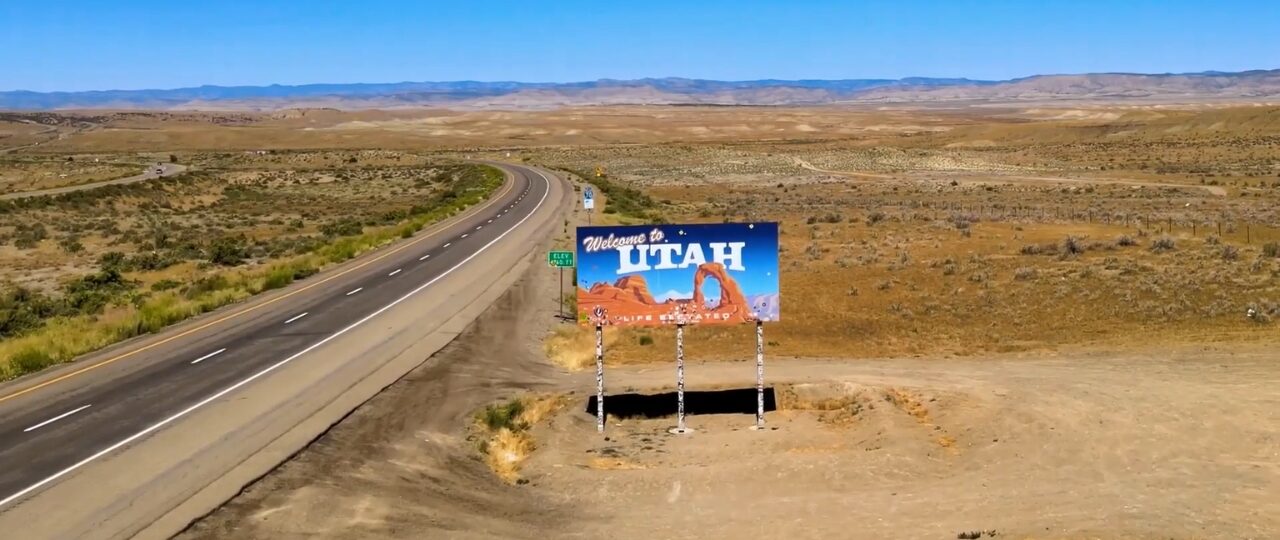

Utah’s Mighty 5 includes Zion, Bryce Canyon, Capitol Reef, Arches, and Canyonlands.
Driving remains the most practical way to experience all five parks within a single trip due to long distances and limited public transportation.
An ideal visit usually spans seven to ten days, allowing time for hiking, viewpoints, and rest. A six-day version compresses the experience into a faster pace, requiring careful planning and efficient routing. Total distance often exceeds 1,000 miles, so time management plays a major role.
Las Vegas works as the most common starting point due to its proximity to Zion. Salt Lake City offers a second option with slightly less backtracking depending on the route structure.
Route Overview (High-Level Plan)
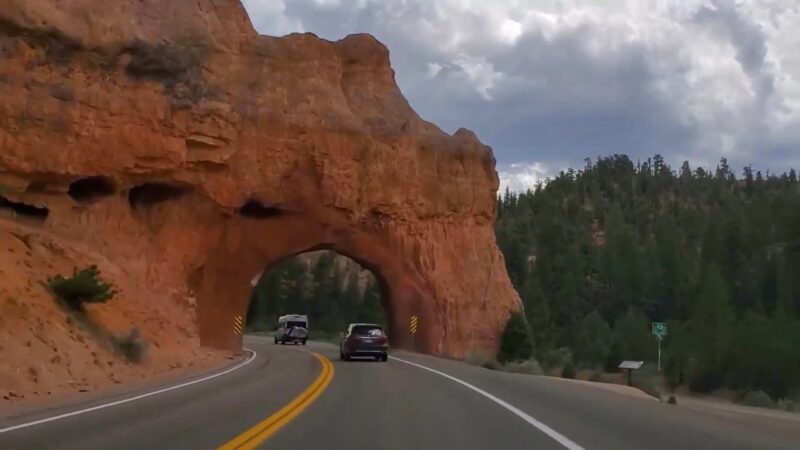
- All five parks can be visited in a single trip
- Wide variety of scenery: arches, hoodoos, canyons, cliffs
- Great fit for first-time visitors, photographers, and active travelers
- Pace is fast, even compared to seven-day plans
- Limited time for longer hikes and deeper park access
- Long driving hours reduce flexibility for weather and crowd conditions
A widely recommended route follows a logical sequence:
Zion → Bryce Canyon → Capitol Reef → Arches → Canyonlands
Approximate driving times and distances:
Route
Driving Time
Distance (miles)
Las Vegas → Zion
~2.5 hours
160 miles
Zion → Bryce Canyon
~2 hours
85 miles
Bryce Canyon → Capitol Reef
~2.5 hours
120 miles
Capitol Reef → Arches
~2.5 hours
145 miles
Arches → Canyonlands
~35 minutes
30 miles
Total mileage ranges between 800 and 1,100 miles, depending on variations.
Planning works best with a one-directional route or point-to-point plan to reduce unnecessary driving. Expect long days behind the wheel due to the distance between parks.
Day-by-Day Itinerary (Optimized 6-Day Version)
A six-day plan requires efficient pacing, early starts, and careful prioritization of key stops. Each day combines driving with short hikes and major viewpoints to make the most of limited time while still covering all five parks.
Day 1: Arrival at Zion National Park
Arrival day sets the tone for the trip, with Zion offering immediate access to dramatic canyon scenery just a few hours after landing in Las Vegas. A relatively short drive makes it possible to begin sightseeing the same day.
Drive time ranges between 2.5 and 3 hours, depending on traffic and stops along the way. Entering the park early in the day increases chances of securing parking and accessing shuttle routes without delays.
Short, accessible hikes work best after arrival, especially:
- Riverside Walk, a paved trail leading into the Narrows
- Canyon Overlook, a brief climb with wide canyon views
Crowds build quickly in Zion, so an early start remains important even on the first day.
Day 2: Zion to Bryce Canyon
Morning in Zion offers the most active hiking opportunities of the entire trip. Cooler temperatures and softer lighting create better conditions for longer trails.
Top options include:
- Angels Landing, which requires a permit and involves steep sections with chains
- The Narrows, a hike through the Virgin River with water-level conditions varying by season
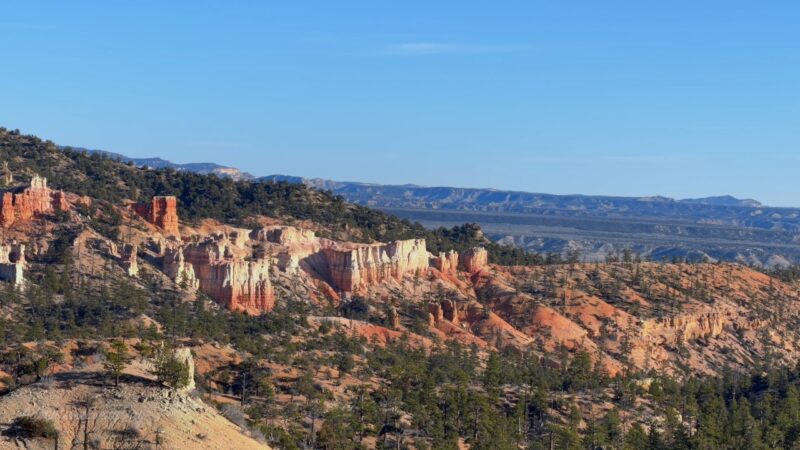
After the morning, a 2-hour drive leads to Bryce Canyon. Elevation increases noticeably, bringing cooler air and a different type of scenery shaped by erosion.
Evening hours are ideal for visiting viewpoints such as Sunset Point or Inspiration Point. Changing light throughout the evening creates a strong contrast across the hoodoos, making sunset one of the most rewarding moments of the day.
Day 3: Bryce Canyon to Capitol Reef via Scenic Byway 12
View this post on Instagram
Bryce Canyon stands out for sunrise, when soft light enhances the colors and depth of the amphitheater. Starting early allows time for both viewpoints and a short hike before departure.
A popular morning route combines two trails:
- Navajo Loop
- Queen’s Garden
Together, they form a manageable loop that descends into the formations and returns to the rim.
Drive toward Capitol Reef follows Highway 12, known for dramatic elevation changes, narrow ridges, and sweeping views. Travel time is about 2.5 hours, though stops along the way can extend the drive.
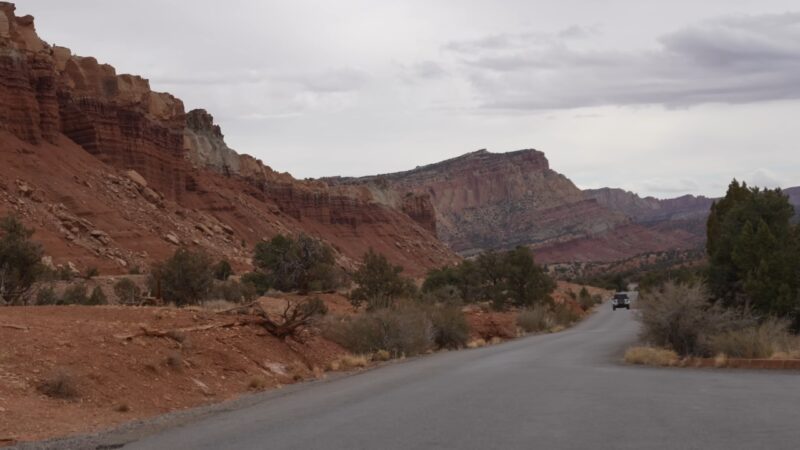
Capitol Reef offers a quieter experience compared to earlier parks.
Key stops during the afternoon include:
- Fruita orchards, where seasonal fruit may be available
- Petroglyph panels carved into rock walls
Waterpocket Fold, a 100-mile geological formation, defines much of the park’s structure and creates long ridges and valleys visible from multiple viewpoints.
Day 4: Capitol Reef to Moab (Arches National Park)
Morning begins with a short hike to ease into the day before another drive. Hickman Bridge provides a natural arch formation with a moderate path and rewarding views at the end.
The drive to Moab takes about 2.5 to 3 hours. Arrival in the early afternoon allows enough time to enter Arches National Park and visit several major sites.
Initial stops that require minimal hiking include:
- Balanced Rock, located close to the road
- Windows Section, featuring several large arches within a short walking distance
Late afternoon leads into one of the most anticipated moments of the trip. Delicate Arch at sunset draws large numbers of visitors, so arriving early helps secure a good viewing spot. Light conditions during sunset bring out deep orange tones across the arch and surrounding rock.
Day 5: Arches and Canyonlands
A full day in the Moab area allows time to visit both Arches and Canyonlands. Starting early remains critical due to heat and crowd levels, especially during peak seasons.
Morning in Arches focuses on a longer but still manageable hike, Landscape Arch, reached by a 1.6-mile round-trip trail with minimal elevation gain.
@nationalparksassociation What a freeing feeling 🥹 #nationalparks #canyonlandsnationalpark #travelinspo ♬ som original – FOLLOW2
Afterward, attention shifts to Canyonlands National Park, specifically the Island in the Sky district. This area sits at a higher elevation and offers wide canyon views with relatively short walks to overlooks.
Key viewpoints include:
- Mesa Arch, known for sunrise lighting
- Grand View Point, offering expansive canyon vistas
- Green River Overlook, providing a different angle across the terrain
Canyonlands feels more remote and less crowded than Arches, making it a quieter contrast after a busy morning.
Day 6: Departure and Optional Stops
The final day allows flexibility depending on departure time and travel plans. Early risers may choose one last sunrise before leaving the area.
Popular sunrise options include:
- Mesa Arch for early light across the canyon
- Delicate Arch for a quieter morning experience compared to sunset
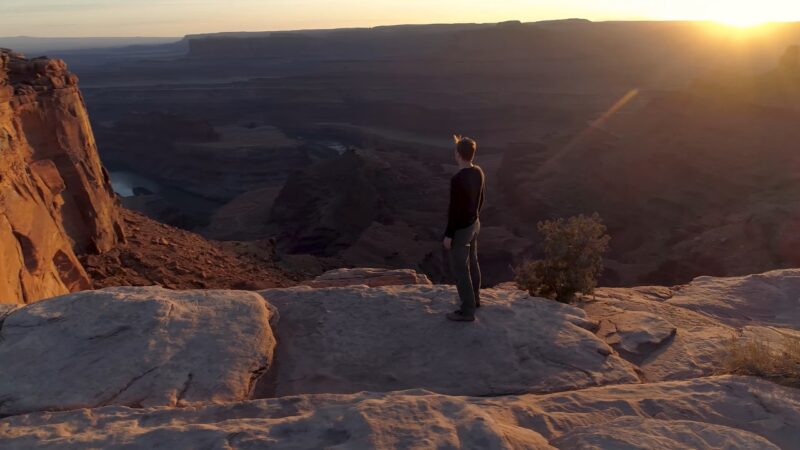
Dead Horse Point State Park provides a final stop with sweeping views over the Colorado River. Location sits close to Moab, making it easy to include before heading out.
Drive time varies based on departure city:
- About 4 hours to Salt Lake City
- About 7 hours back to Las Vegas
Flexible planning on the last day helps account for flight schedules, rest breaks, and any missed stops earlier in the trip.
Summary
A six-day Mighty 5 trip compresses a classic seven to ten-day plan into a faster schedule covering about 1,000 miles of Utah’s most well-known scenery.
Zion to Bryce Canyon to Capitol Reef to Arches to Canyonlands remains the most recommended sequence due to efficient routing and logical geographic flow.
Expect a fast-paced road trip focused on major viewpoints and short hikes, delivering an intense but memorable experience across five national parks.