
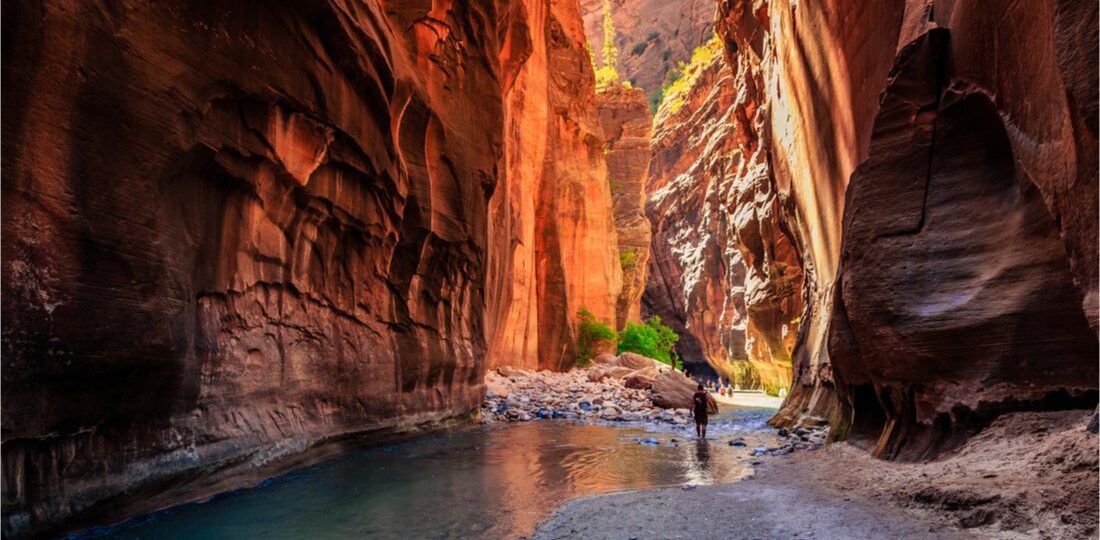

Fame has turned Zion Narrows into one of the most talked-about hikes in the United States. Social media feeds, travel lists, and park conversations repeatedly frame it as an essential experience, often described as transformative and unforgettable.
Descriptions focus on shifting light, rising canyon walls, and the novelty of walking directly through a river rather than along a dirt path.
Popularity, however, brings trade-offs that rarely receive equal attention. Heavy crowds, physical difficulty, and safety restrictions shape daily conditions in ways that clash with common expectations.
For many visitors, reality feels far removed from the quiet, immersive experience promised online. Other trails in and around Zion deliver dramatic scenery, greater reliability, and a stronger sense of space without similar drawbacks, making them a better choice for travelers seeking balance rather than hype.
Let’s talk about it in greater detail.
What Makes the Narrows So Famous
A route through the Virgin River itself is a major part of the Narrows’ reputation because instead of walking on a dry trail, hikers wade up a riverbed carved through rock.
In many places, the canyon narrows to just 20 to 30 feet, with cliffs rising over 1,000 feet overhead, so the river feels like the path and massive stone walls tower above.
Crowds often form at the entry point near the Temple of Sinawava shuttle stop since the most common bottom-up hike does not require a permit.
Hikers of all skill levels can start here and go upriver for several miles before turning around at Big Springs, which makes the route feel accessible even though conditions vary greatly as you go deeper.
Adventure seekers often describe moments where conditions change quickly on the trail: shallow wading can suddenly turn into waist-deep water, or deep pools force short swims.
Those shifts occur as the river channels through tighter rock sections or crosses over submerged boulders, creating a feeling of constant variation that many visitors find compelling.
- Varied water levels that range from ankle-deep to waist-high, depending on season and recent rainfall
- Logistical choices between shorter day hikes and longer trips upriver with permit requirements
- Opportunities to see higher waterfalls, hanging gardens, and side canyons such as Orderville Canyon, branching off along the way
View this post on Instagram
Why the Zion Narrows Might Be Overrated
Reputation alone shapes expectations long before boots touch water. Viral photos, glowing reviews, and frequent placement on must-do lists create an image of solitude and effortless beauty.
On-site conditions often tell a different story, especially once crowds, physical strain, and safety limits come into play.
Severe Overcrowding
Popularity funnels massive numbers of visitors into a confined space. Peak season days often resemble a slow-moving line rather than a free-flowing hike.
Narrow canyon walls leave little room to pass, rest, or step aside, so congestion builds quickly and lingers.
Crowding pressure becomes especially noticeable near the bottom-up entry point, where no permit system regulates access.
Continuous arrivals throughout the day create compounding density issues that intensify deeper into the canyon.
- long pauses while groups wait to pass through narrow sections
- constant noise echoing between stone walls
- limited space for photography without people in every frame
Solitude promised by promotional material rarely survives contact with midday conditions.
Not a Traditional or Easy Hike
River travel replaces any sense of a standard trail experience. Every step requires attention, balance, and patience as rounded rocks shift underfoot. Progress slows naturally, and distance covered often feels disproportionate to effort expended.
Physical challenges compound as water depth changes without warning. Shallow stretches can abruptly give way to waist-deep channels or pools that require bracing against current. Fatigue builds faster than many expect, especially when cold water numbs legs and feet.
- uneven stones that increase ankle strain
- constant resistance created by flowing water
- limited dry areas for breaks or recovery
Expectations shaped by typical day hikes rarely align with these conditions.
Safety Risks and Unpredictability
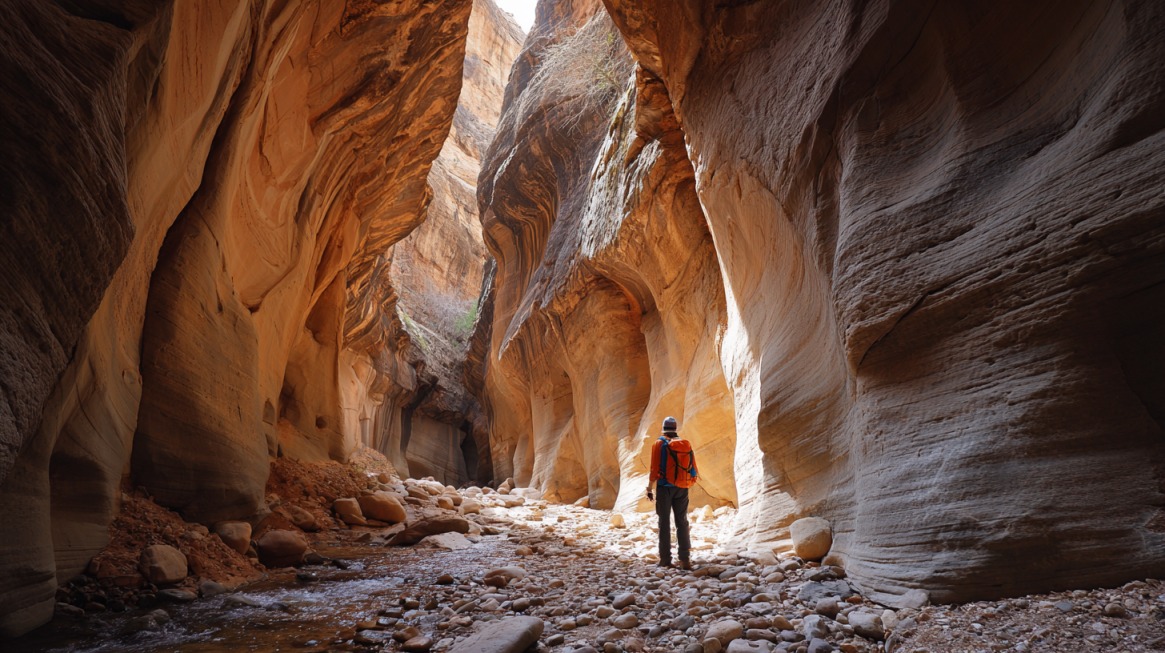
Slot canyons amplify weather risk in ways that surprise first-time visitors. Rainfall far upstream can transform calm conditions into dangerous surges within minutes, even under clear local skies.
Park monitoring systems track flow rates closely, and access restrictions appear quickly once thresholds approach unsafe levels.
Flow readings near 150 cubic feet per second often trigger closures, yet changes can occur rapidly during storm cycles or snowmelt periods.
- sudden trail closures announced same day
- rising water levels that force early turnarounds
- increased current strength that challenges balance and footing
Risk management plays a larger role here than many social posts suggest.
Expectations Versus Reality
Mental images built online often clash with on-site logistics. Gear rentals, shuttle schedules, and entry timing add layers of planning that can feel tedious rather than adventurous.
Bottlenecks near popular turnaround points slow movement and test patience.
Many hikers expect quiet reflection within towering walls. Reality often includes voices echoing, water splashing constantly, and frequent pauses while groups negotiate space.
When hype sets a near-mythical standard, ordinary inconveniences feel amplified and disappointment becomes common.
Common Misconceptions About the Narrows
Misleading expectations shape how many visitors prepare, or fail to prepare, for conditions inside the canyon. Popular descriptions often suggest a consistent, easygoing route that welcomes all skill levels at nearly any time.
Reality shifts daily based on water flow, weather upstream, and seasonal runoff, making consistency rare and preparation essential.
Accessibility gets overstated frequently. Entry points near the Virgin River Walkway funnel large groups into a confined stretch almost immediately. Early portions often feel crowded and noisy, with limited space to stop or adjust gear. As traffic builds, movement slows, and patience wears thin, especially during peak hours.
- water depths changing multiple times within short distances
- bottlenecks where groups wait several minutes to pass
- limited dry ground for rest or regrouping
Suitability myths persist as well. Balance requirements alone disqualify many people who struggle on uneven surfaces. Cold exposure adds another layer, especially during spring and fall, when snowmelt keeps water temperatures low for long stretches.
Endurance demands increase steadily since every step pushes against current and unstable footing.
- leg fatigue caused by constant resistance
- numbness that reduces footing awareness
- slower reaction times in colder water
Reliability remains another common misunderstanding. Seasonal closures tied to runoff or flood risk occur regularly, sometimes lasting weeks. Sudden weather shifts upstream can trigger same-day warnings or shutdowns with little notice.
Travelers on fixed schedules face limited backup options once closures occur, which often leads to frustration rather than flexibility. Preparation requires accepting uncertainty rather than expecting guaranteed access on arrival.
Where to Go Instead, Better Zion Alternatives
@mountainfacts Everyone has heard of Zion National Park, but few people have heard of Kolob Canyons. Located in the northwest corner of the park, Kolob Canyons is characterized by sheer sandstone cliffs, roaring canyon creeks, and narrow box canyons. And the best part? Kolob Canyons receives only a small fraction of the visitors that Zion Canyon gets. Have you visited Kolob Canyons? #educatoraward #learnontiktokcontest #utah #zionnationalpark #mountains ♬ original sound – Mountains
Zion and surrounding areas offer routes that deliver scenery and immersion without the same compromises. Many of these options trade novelty for comfort, reliability, and breathing room.
Taylor Creek Trail in Kolob Canyons
Calmer conditions define Taylor Creek Trail, where repeated stream crossings add interest without overwhelming difficulty. Historic cabins along the route provide context and visual breaks, while lighter visitation levels allow for steady pacing.
Kolob Canyons sits apart from Zion Canyon’s busiest zones, which naturally limits foot traffic and noise.
West Rim Trail Past Scout Lookout
Traffic drops sharply once hikers move past Angel’s Landing junction. Elevation gain opens wide canyon views along a stable trail surface that feels predictable underfoot.
Distance rewards effort with increasing quiet and uninterrupted sightlines, making longer days feel manageable rather than draining.
Distance works in favor of solitude here. Views open repeatedly along the route, offering perspective across canyon walls and distant plateaus without constant stops caused by congestion.
Longer days feel sustainable because mental fatigue stays low, making West Rim a strong option for hikers who value space, consistency, and calm over novelty.
Honorable Mentions
Several lesser-discussed routes deliver rewarding scenery without the pressure points common on headline hikes. Fewer people, simpler logistics, and predictable conditions shape experiences that feel relaxed rather than rushed.
Many Pools Trail moves across slickrock terraces carved by seasonal water flow, creating a route defined by texture and shape rather than elevation alone. Shallow basins, smooth stone channels, and open stretches invite slower pacing and curiosity without forcing constant vigilance underfoot.
Traffic levels remain modest on most days, so pauses feel natural instead of disruptive.
- firm rock surfaces that stay consistent underfoot
- short distance that suits half-day plans
- minimal congestion even during busier seasons
Space remains available to stop, look around, and reset without pressure.
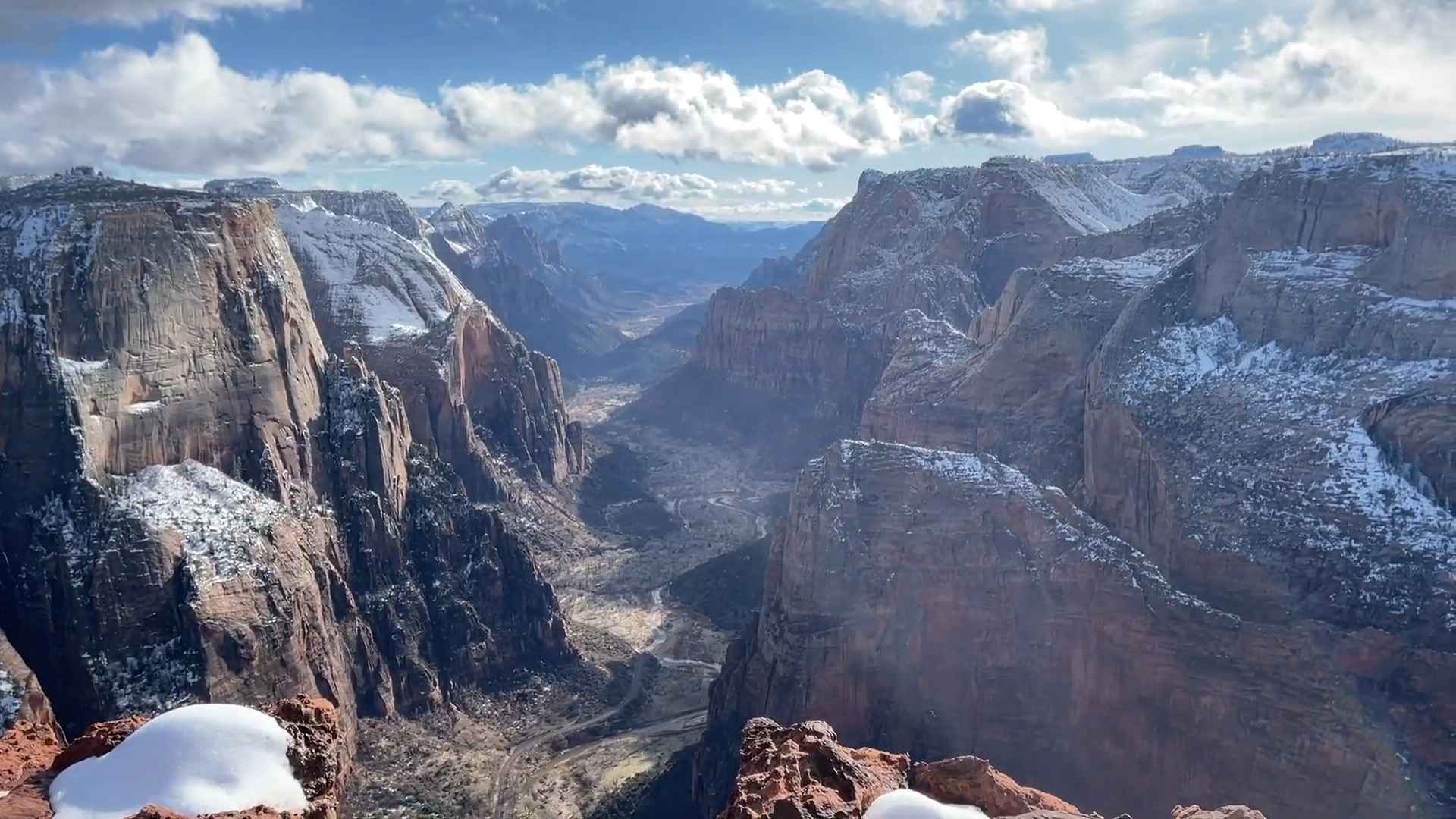
Observation Point accessed via East Mesa delivers one of the most expansive viewpoints in the park with far less friction.
Access relies on a dirt road rather than a shuttle system, which naturally limits crowds and removes timing constraints. Trail grade stays moderate, making elevation gain feel steady and manageable.
- wide-open sightlines across Zion Canyon
- absence of steep drop-offs along most of the route
- consistent trail conditions unaffected by water levels
Summary
Zion Narrows earns praise for striking visuals and an unconventional format, yet popularity brings compromises that often go unmentioned. Crowds, physical demands, and unpredictable closures can overshadow beauty for many visitors.
Hikers seeking solitude, reliability, or a standard trail experience can find equally stunning options throughout Zion and nearby areas.
Sometimes, lasting memories come through paths that skip fame in favor of comfort, space, and consistency.